
May 2. 2026 - Latest News

Triennale Milano is one of the world’s most influential design events. Since its founding in 1923, it has served as a platform for encounters and dialogue between tradition and innovation. During Shenzhen Design Week 2026, Triennale Milano arrived in Shenzhen with reflections on technology and ways of life.
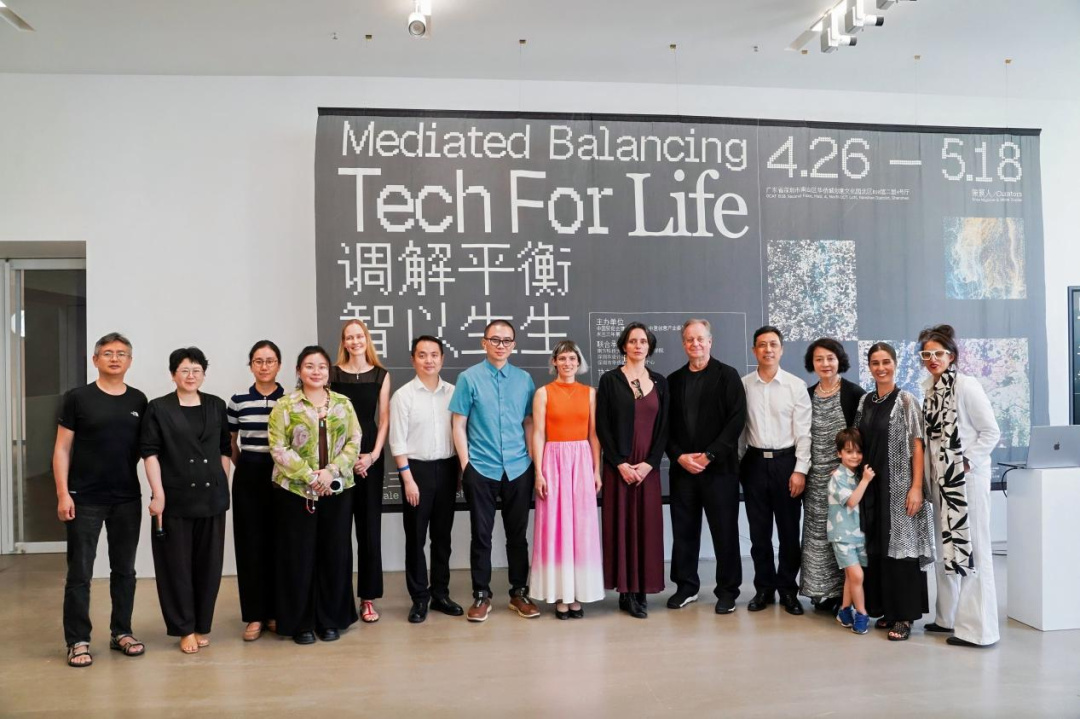
As one of the key events of Shenzhen Design Week 2026, Mediated Balancing | Tech For Life: Triennale Milano in Shenzhen is open to the public free of charge from April 26 to May 18 at OCAT B10, Second Floor, Hall 4, North OCT Loft, Nanshan District, Shenzhen.
The exhibition is organized by the Sino-Italy Creative Industries Committee Construction Industry Sub-Council, CCPIT, and Triennale Milano. It is co-hosted by the School of Design, Southern University of Science and Technology, Shenzhen Art and Design Alliance, and OCAT Shenzhen, with support from Shenzhen Design City Operation & Development Co., Ltd.
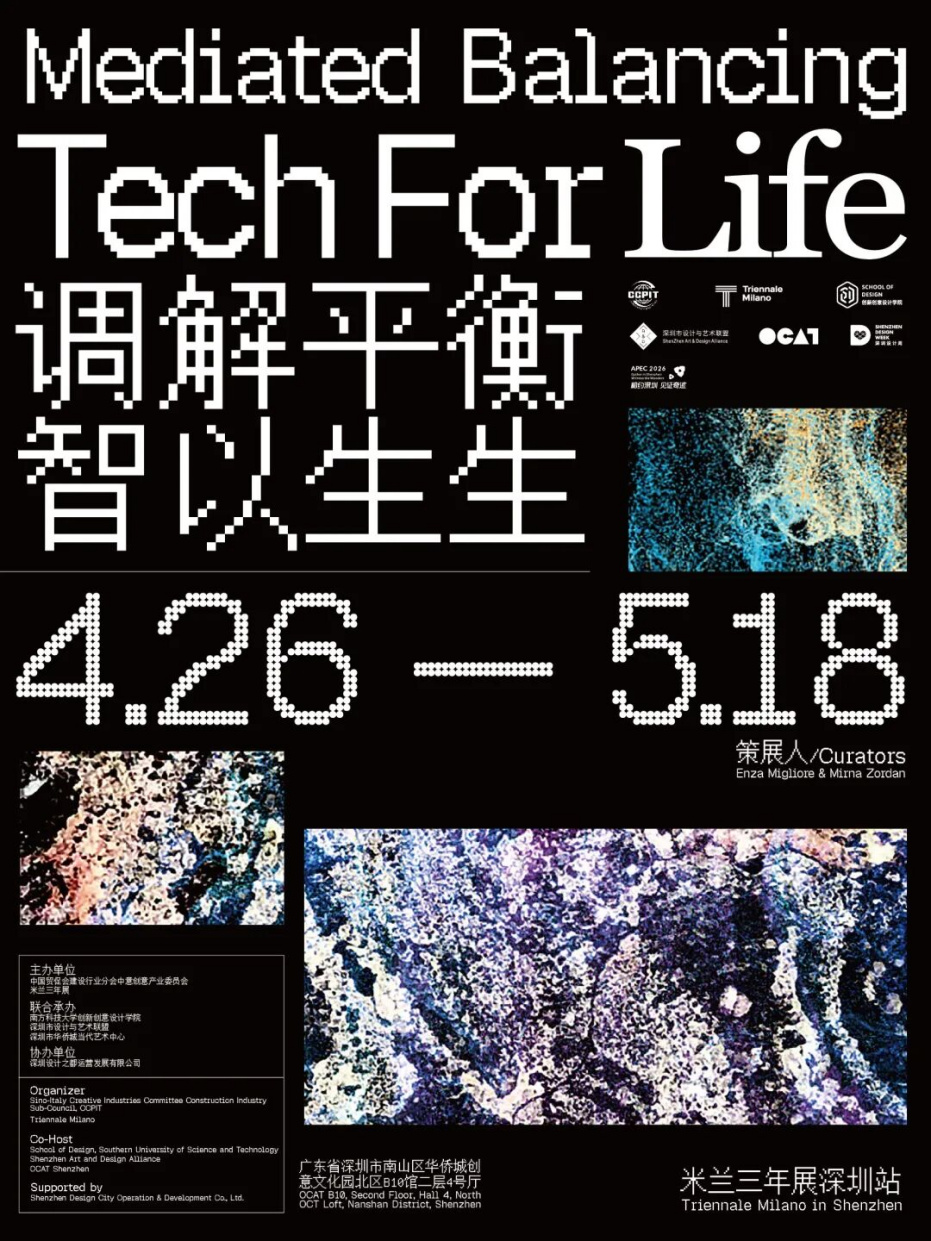
The 24th International Exhibition of Triennale Milano focuses on the urgent issue of growing inequality around the world, aiming to explore forward-looking social solutions. At the Milan exhibition, the SUSTech School of Design presented under the theme “Mediated Balancing - Mediating a World of Imbalance.”
The Shenzhen exhibition continues the content presented in Milan, while further expanding and developing related ideas and practices that connect Shenzhen and Milan. Placing life at the heart of design, it recontextualizes and reconstructs the Triennale concept within the Shenzhen context. Technology is framed as a mediator of balance, presenting an interdisciplinary design exhibition that spans ecology, materials, interaction, sound, bodily perception, and cultural regeneration. Through the Eastern philosophy of ceaseless renewal, it responds to the global issue of imbalance.
Laura Maeran, Director of International Exhibitions at Triennale Milano, said that the way Shenzhen Design Week is organized has a distinctive urban character and closely reflects the spirit of Shenzhen. She could feel the city’s rich and vibrant atmosphere. Shenzhen Design Week fully demonstrates the city’s unique qualities: its distinctive urban culture and efficient pace of development are clear markers that set Shenzhen apart from other design cities around the world.
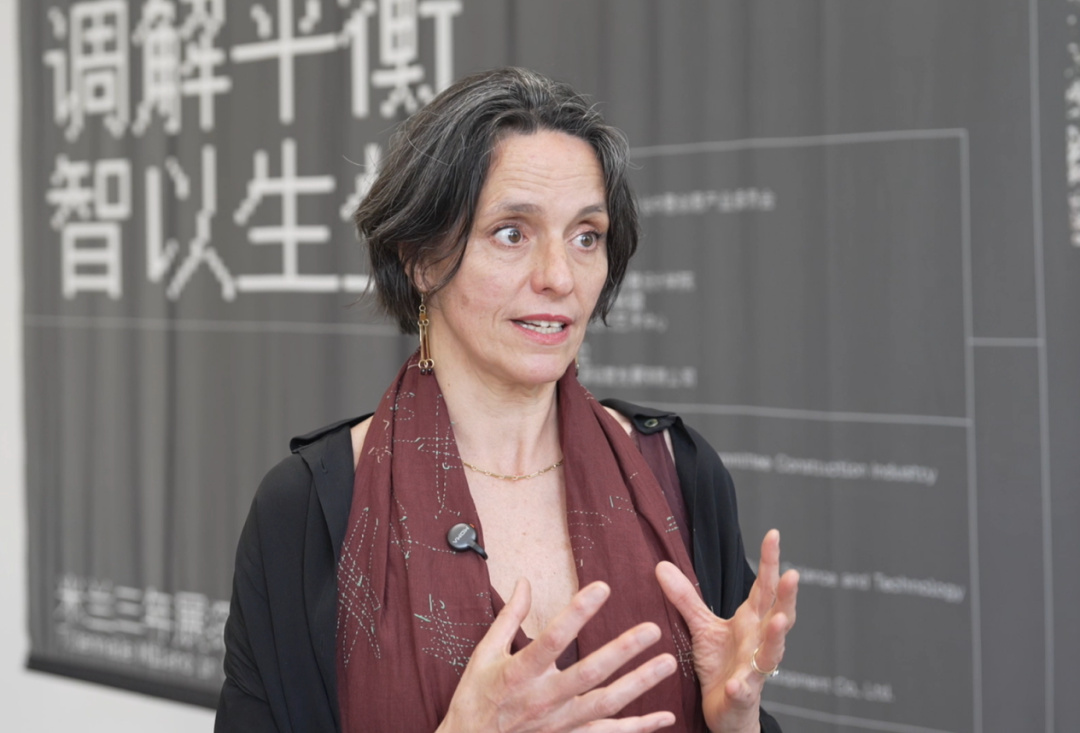
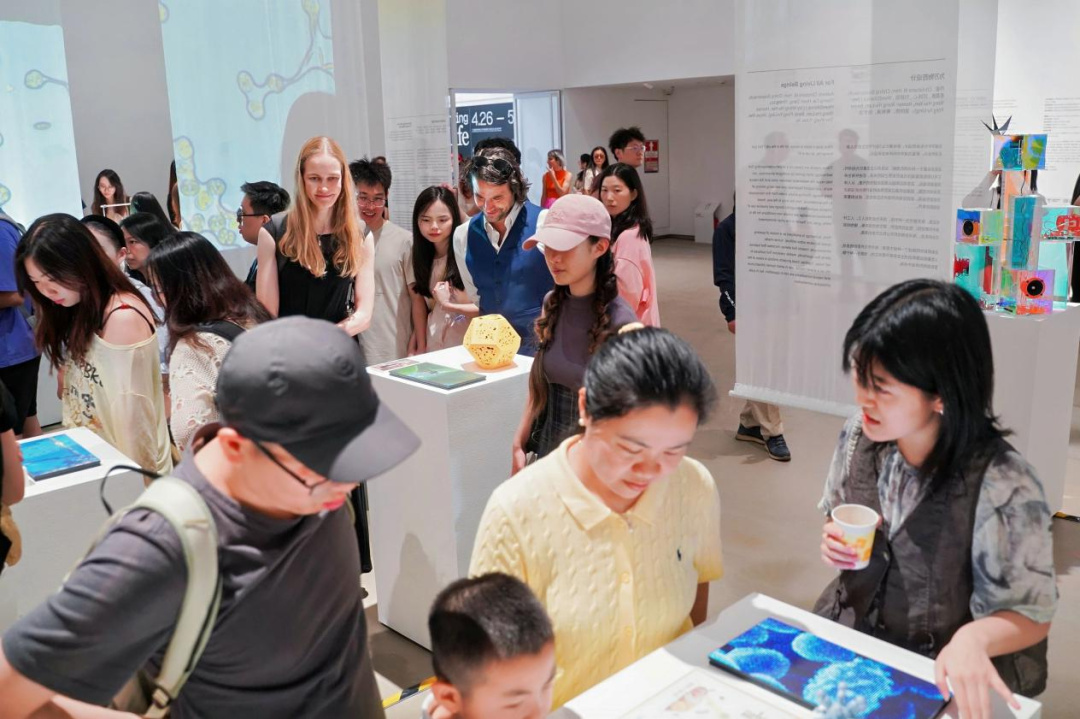
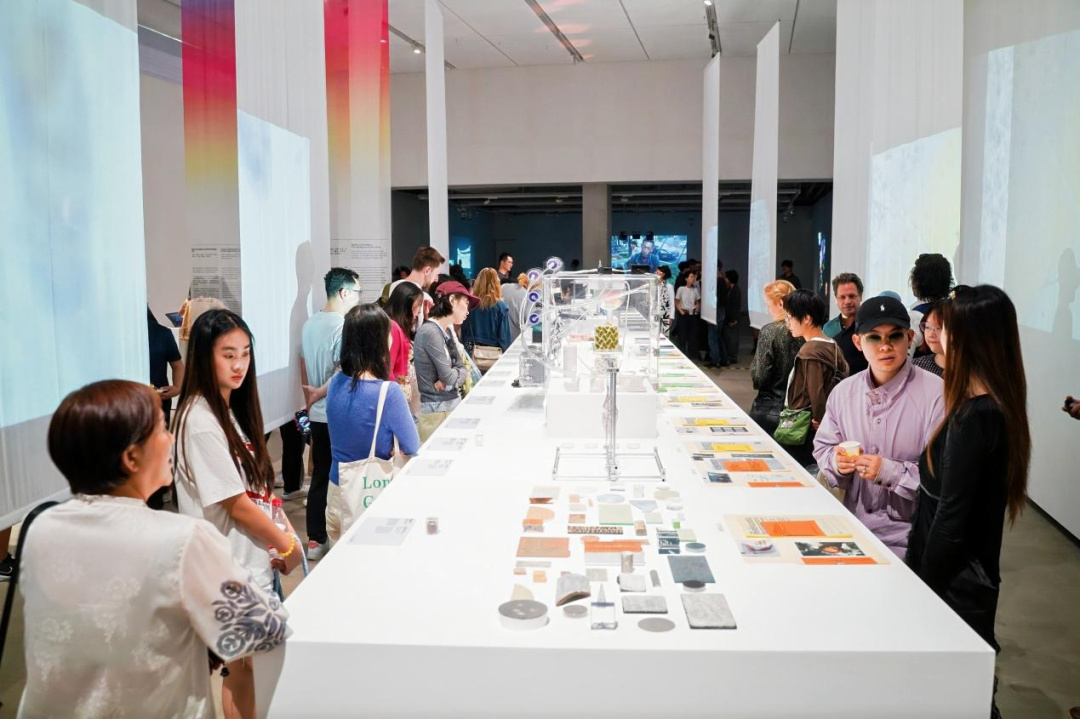
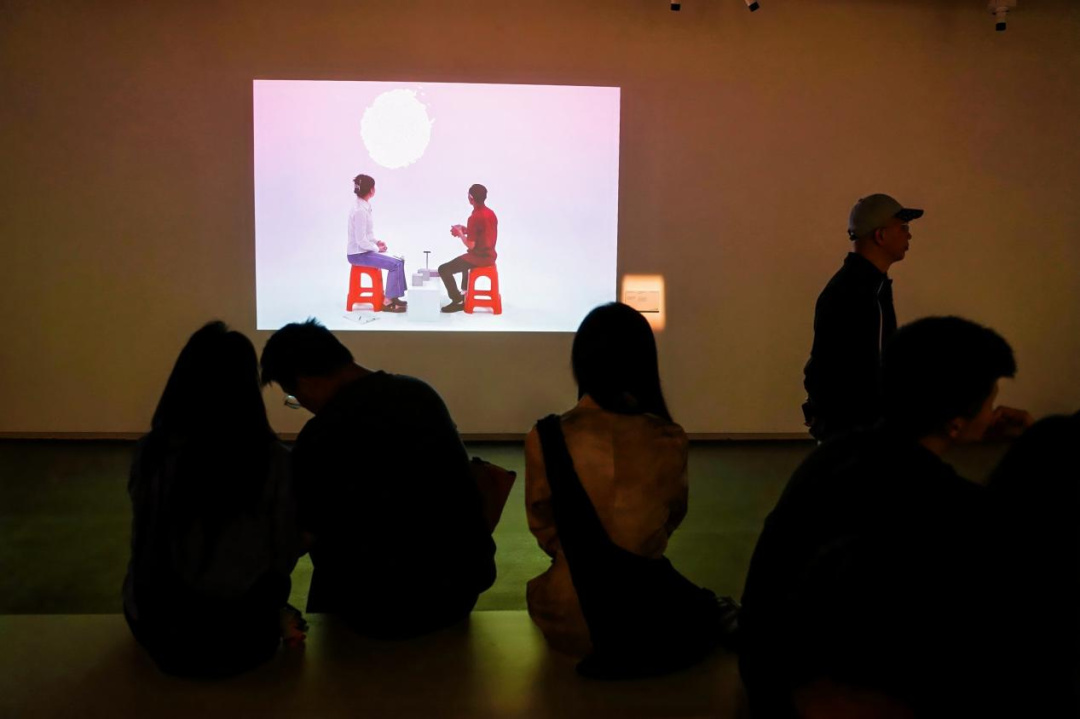
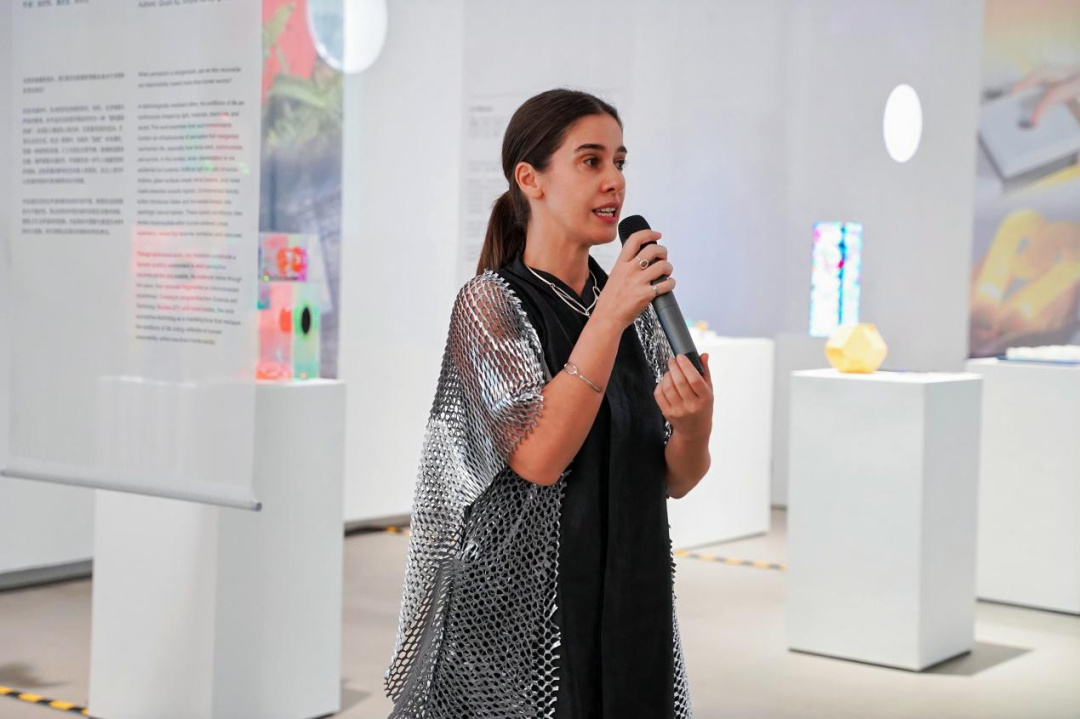
Entering the exhibition hall, visitors can sense a subtle balance between technology and tranquility. At the exhibition site, the people passing by may well be the creators of the works themselves, all from the School of Design at Southern University of Science and Technology.
The exhibition is rich in scope. Its creative themes cover material innovation, ecological protection, human development, and the coexistence of all things, while also addressing social value and cultural expression.
Across these works, one can hear the creators posing many questions: In human-centered urban experience, what responsibilities do we bear toward a multispecies world? As accelerated urban life distorts our perception, emotions, and interpersonal connections, how can we coexist and communicate, and become aware once again of the importance of each other’s presence? In the context of contemporary technology, how can traditional culture be perceived and participated in anew, rather than merely watched and narrated?
Resonating with Materials and Life:
Letting Matter Become an Interface for Ecological Reciprocity
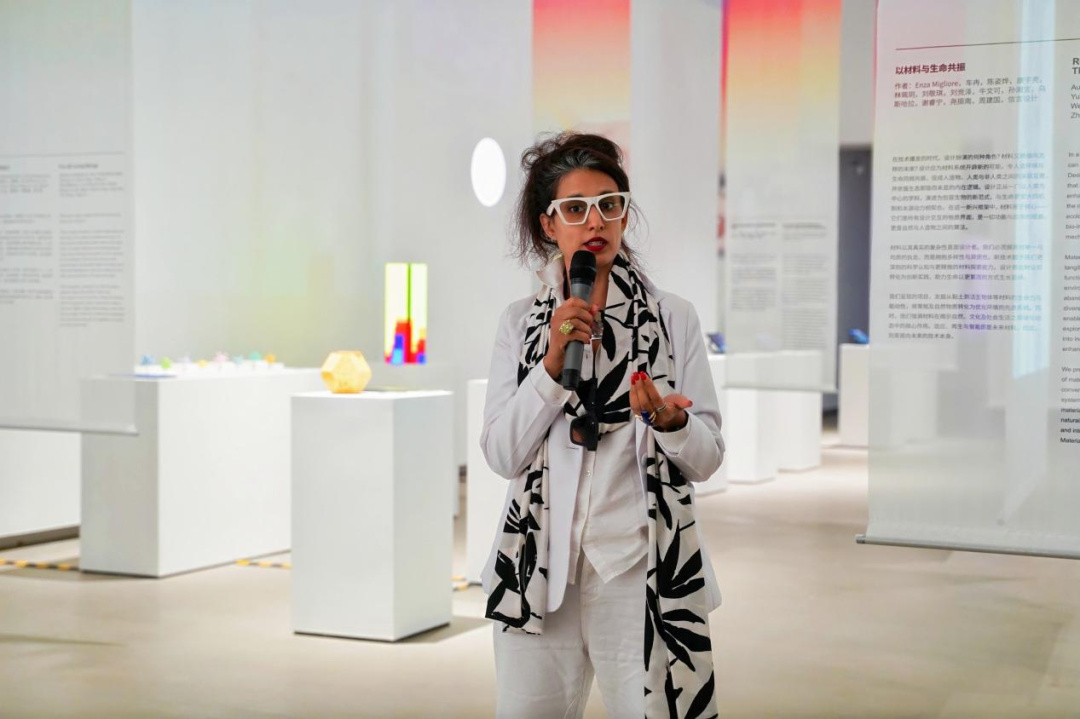
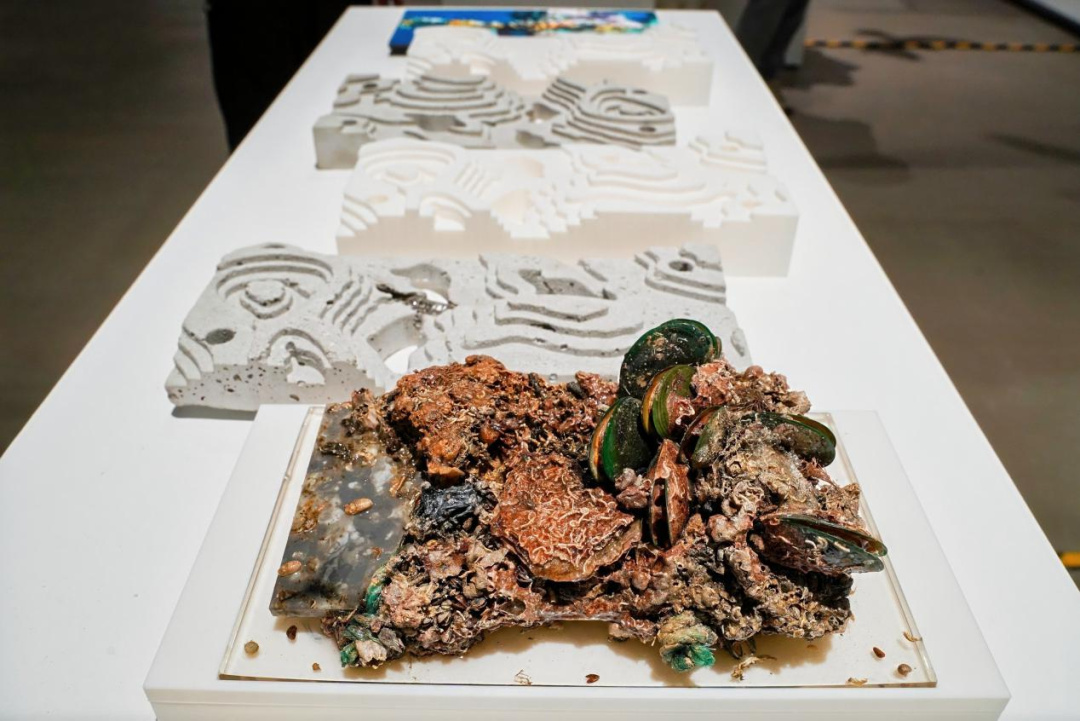
Assistant Professor Enza Migliore of the SUSTech School of Design, also one of the curators of this exhibition, led her team in the research project Resonating with Materials and Life. The team breaks through the limits of traditional materials, transforming clay and bio-based materials to create new materials for the future. Moving away from a singular design mindset and grounded in diverse qualities, the project promotes a shift in design from human-centeredness toward biological inclusion, using the vitality of materials to empower the coordinated development of environment, culture, and society.
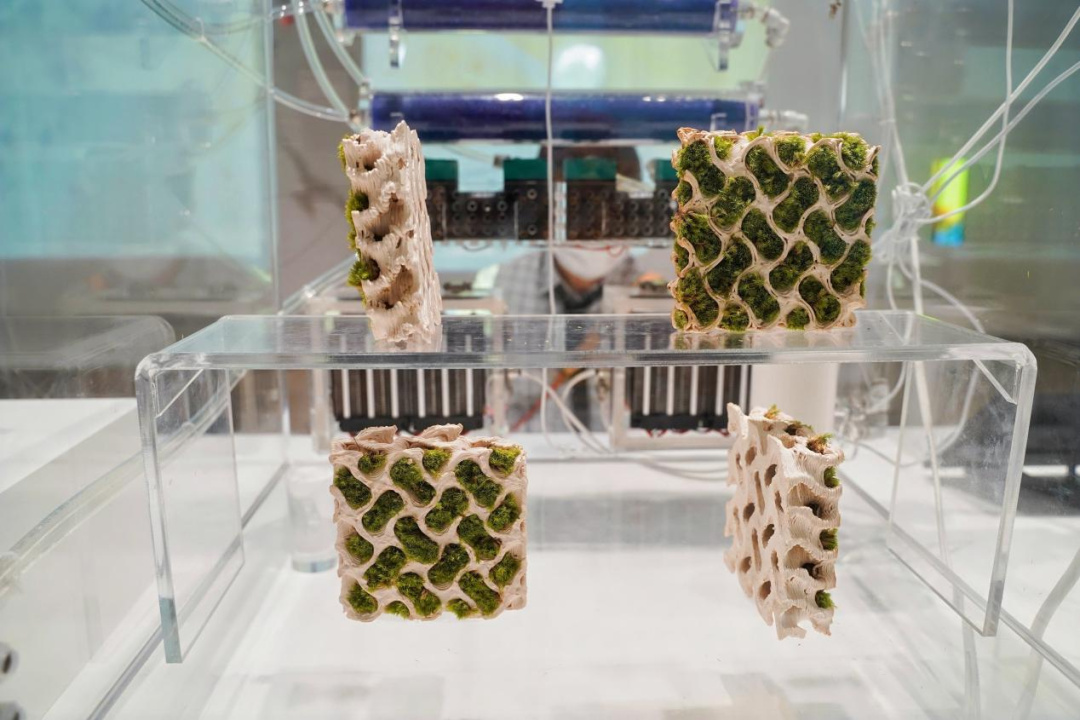
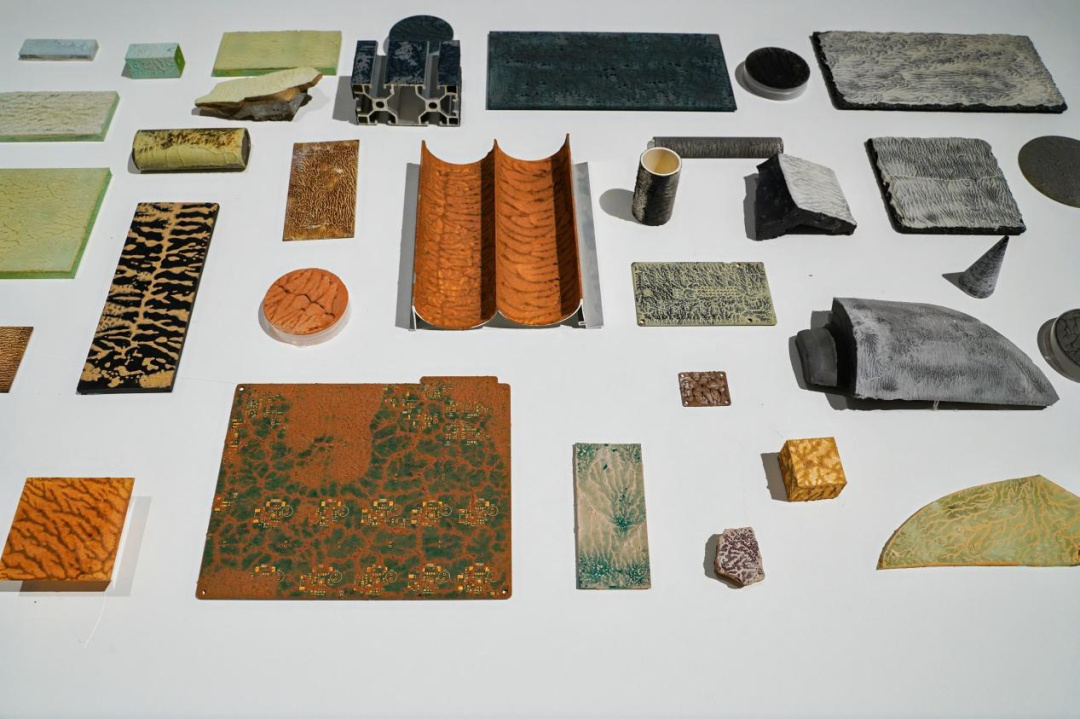
Enza Migliore believes that this exhibition builds a connection between the ideas of Triennale Milano and the urban core of Shenzhen, expanding the boundaries of design through Shenzhen’s foundation in technology and innovation. The works are grounded in technology while returning to the existence of life, and they integrate diverse perspectives from interdisciplinary teams, giving the exhibition rich creativity and vitality.
Toward Wellbeing for All Ages:
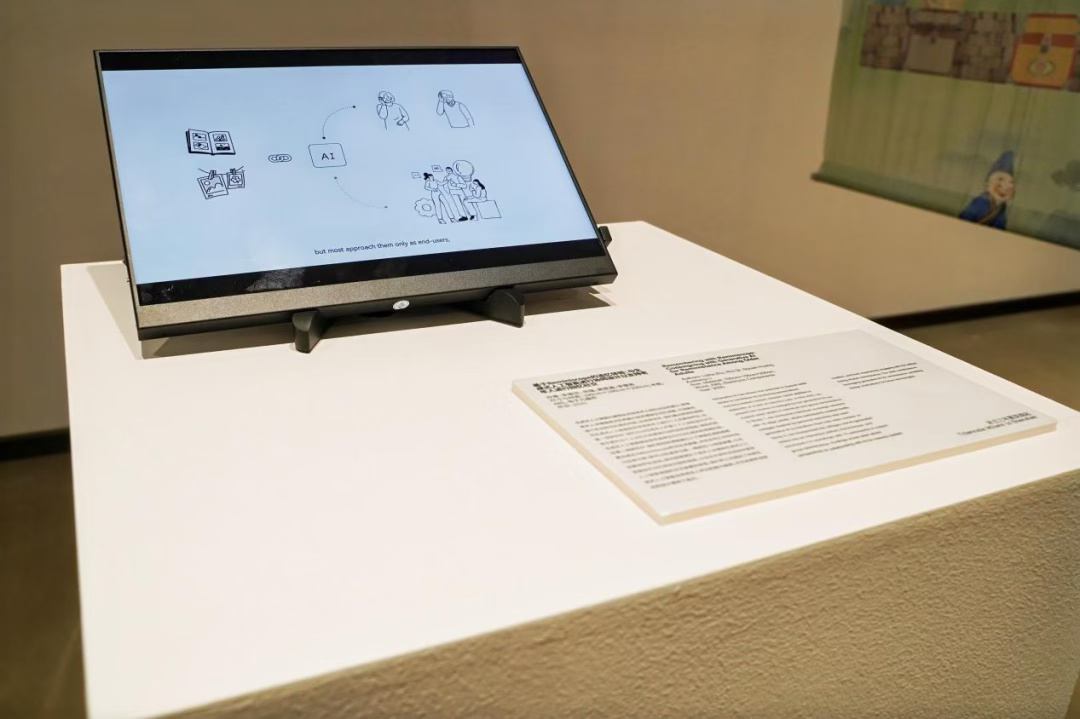
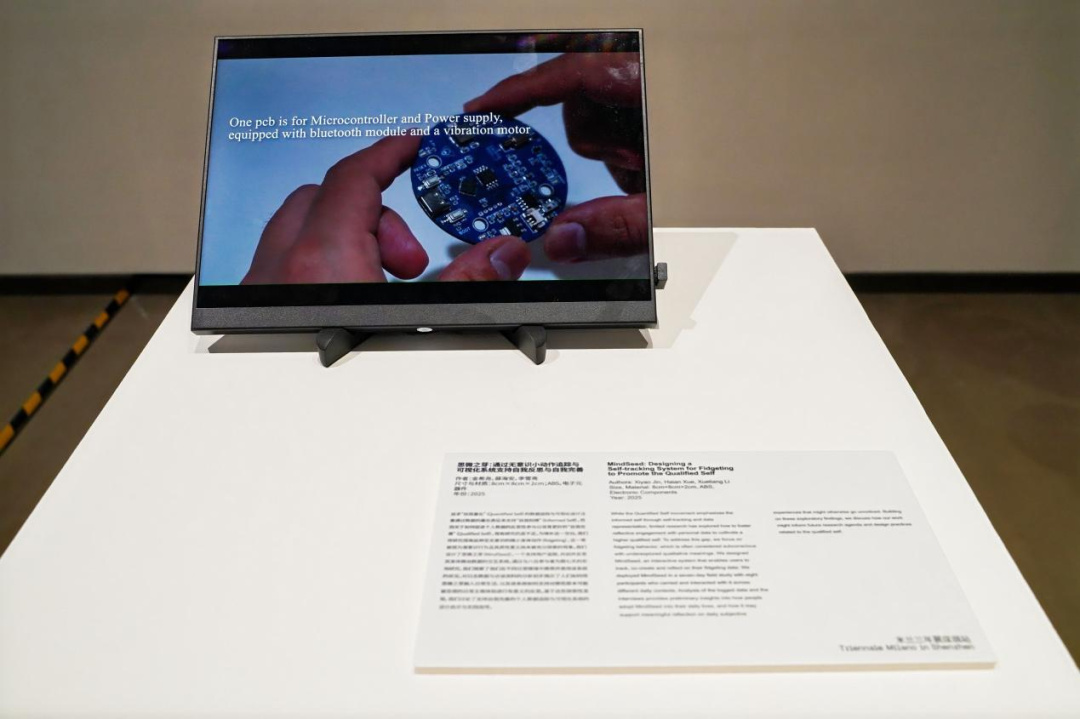
Protecting Mental Health and Neurodiversity Through Interaction Design
Assistant Professor Li Xueliang’s team focuses on Wellbeing Design for Different Age Groups and Neurodiversity. By embedding technology into everyday life, the project provides targeted psychological and social support. Through three major designs - AI-assisted elder care, behavioral monitoring, and multisensory teaching tools - it responds to diverse physical and mental needs and explores new design pathways for accessible living and mental health.
Disoriented Flight:
Life in the Technological City
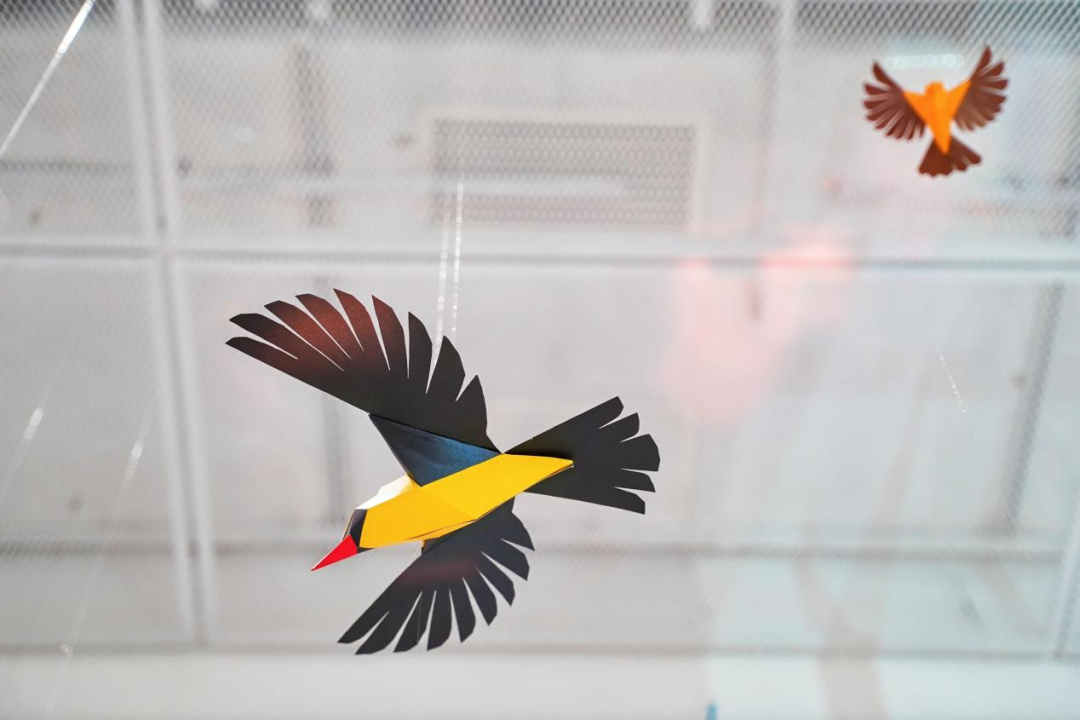
徐秋石助理教授带领研究小组,带来声音装置《迷航的飞行:技术城市中的鸟类困境》,聚焦都市鸟类生存困境,从声景与科技视角,揭示城市人工光、噪音、建筑等要素,系统性干扰鸟类生存。作品以沉浸式声景营造特殊听觉体验,引导观者反思城市发展对自然生命的深层影响与物种共生责任。
Sensing Through the Body:
The Body as a Perceptual Interface for Life’s Wisdom
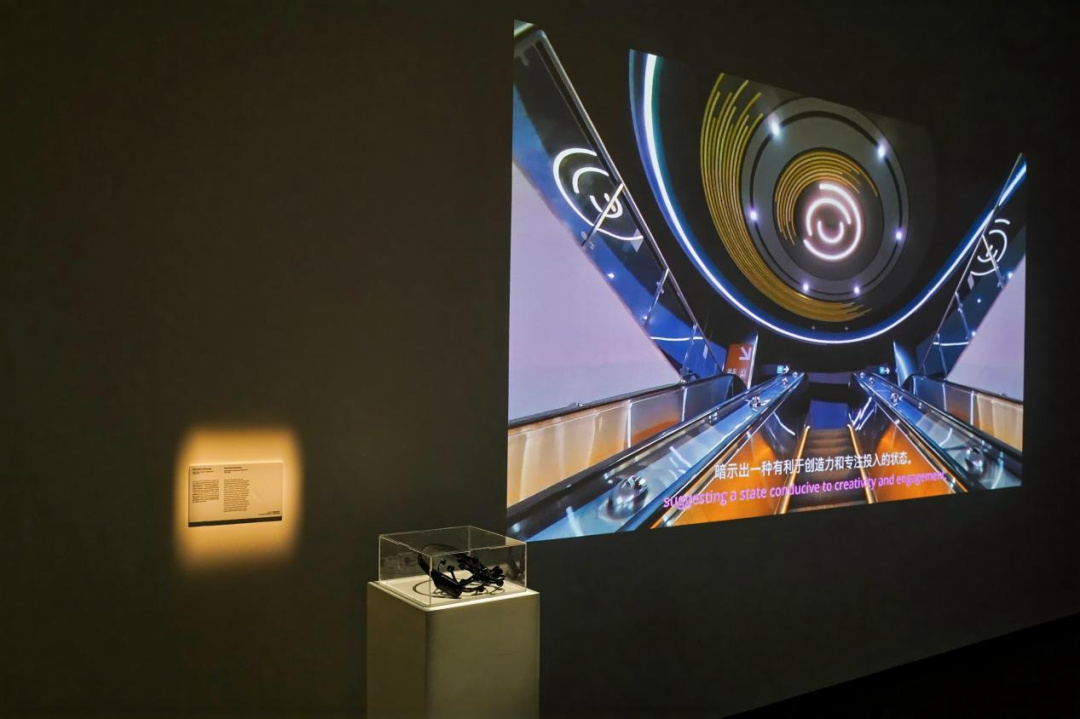
Another curator, Assistant Professor Mirna Zordan of the SUSTech School of Design, led her team in presenting the series Sensing Through the Body: Born with Wisdom. Addressing the perceptual alienation and emotional disconnection brought about by urban life, the team uses the body as its core medium. Combining biosensing and physiological computing technologies, it transforms hidden physiological signals such as heart rate and brainwaves into visualized interactive experiences. The works awaken bodily perception and empathy, reshape spatial and emotional connections, and explore new ways of living healthily in the future.
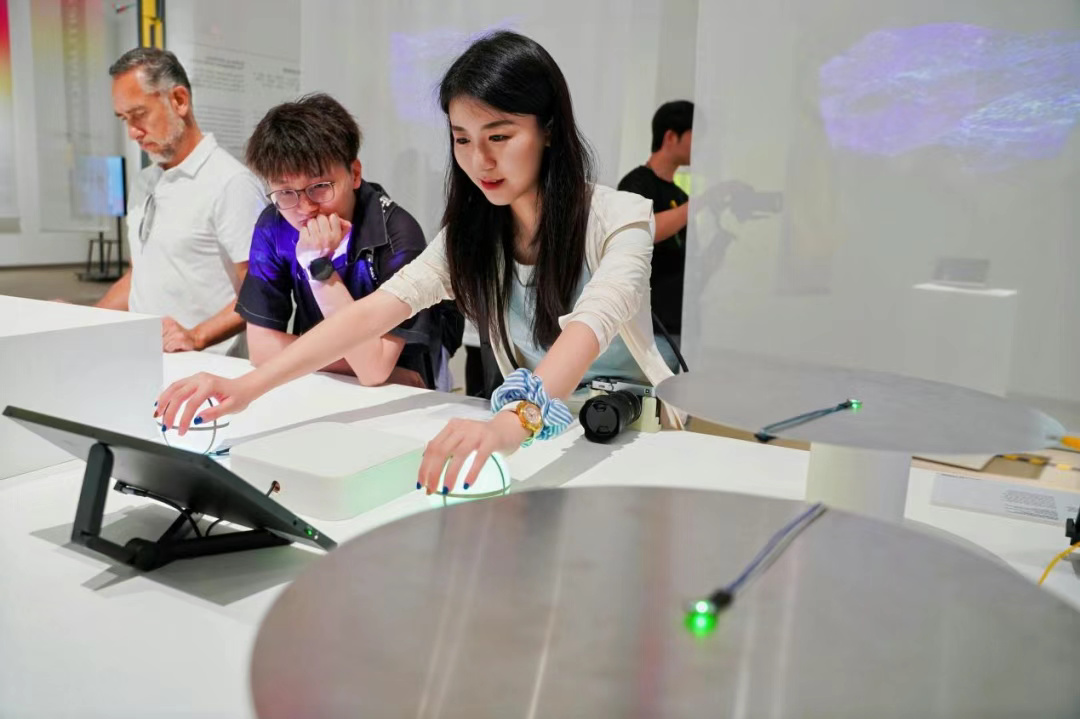
“Student creators, researchers, research assistants, and all other participants played key roles throughout the entire process of conceiving the exhibition, implementing it, discussing and refining it, and iterating toward completion. Students are both creators of the works and implementers of the project. As educators, we hope to guide the younger generation to participate deeply in discussions of the issues of our time, and to encourage young people to actively contribute their creativity and strength to future development,” said Mirna Zordan.
New Interpretations and Rebirth of Culture:
Moving Tradition from Viewing to Embodied Experience
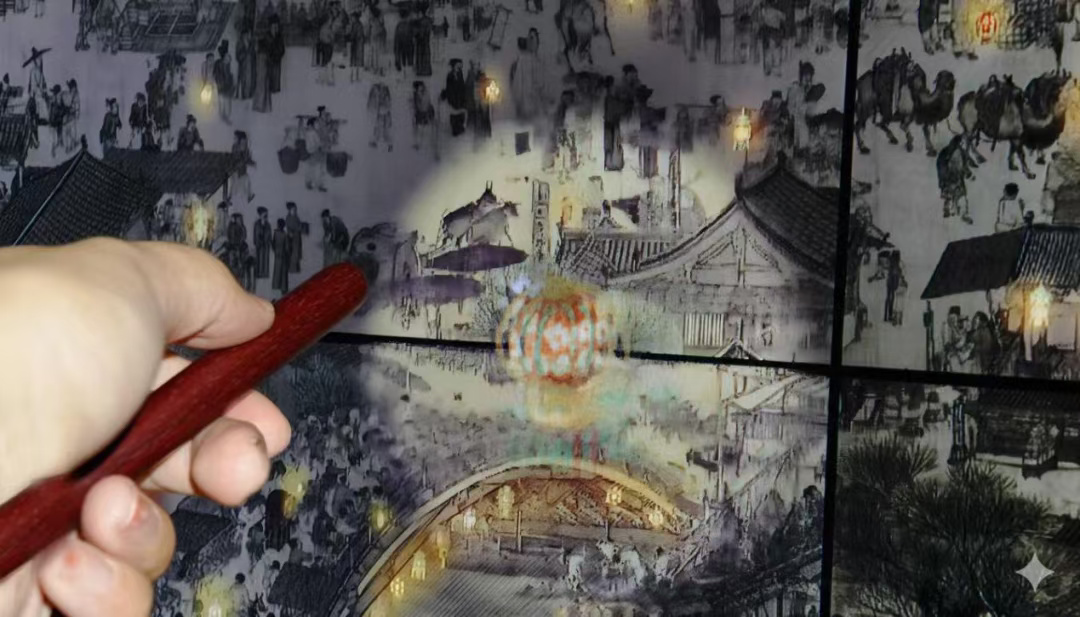
Assistant Professor Zhang Wanlin’s team presents works under the theme Design for New Interpretations and Rebirth of Culture, empowering traditional culture through AI, interaction, and gamification. Through digital translation and interactive re-creations of traditional crafts, the project transforms culture from static viewing into immersive experience. It uses technology to reconstruct the ways culture is communicated, promoting the revitalized transmission of traditional culture and its integration with the public.
Designing for All:
Reconstructing a Symbiotic Ecology Between City and Nature
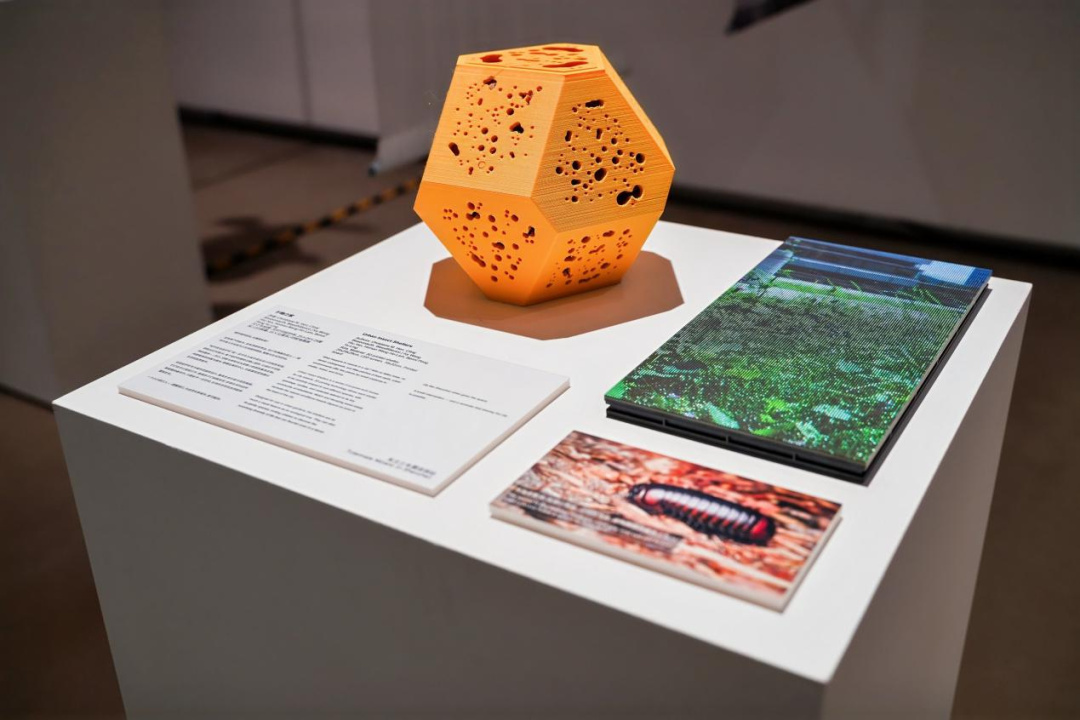
Professor Christiane M. Herr led her team in presenting the series Designing for All Things. The works advocate for an interspecies-friendly urban concept, using ecologically oriented technology to create, across multiple scales, symbiotic solutions suited to animals, plants, and marine life. By allowing the built environment to accommodate natural life, the project dissolves the opposition between city and ecology and uses technology to repair the relationship between humans and nature.
Design as a Bridge:
From Milan to Shenzhen, a Dialogue Between the Global and the Future
As a leading global event in design, architecture, and art, Triennale Milano represents the forefront of international design thinking and academic depth. Shenzhen, as a “City of Design,” drives urban development through technological innovation and creative vitality. The collaboration between the two brings a top international design platform into the local context of Shenzhen.
The curatorial team stated that imbalance is not an endpoint, but the beginning of transformation. Design is shifting from being an “efficiency driver” to becoming an “actor of care and repair.” By integrating life sciences, cognitive science, and ecological thought, it becomes a mediating force that balances society, ecology, and technology.
This exhibition does not offer standard answers. Instead, it uses research-based design as a catalyst, inviting audiences to explore, experiment, and reflect together. Between technology and life, it seeks to build a gentler, longer-lasting, and more resilient relationship. With the Eastern wisdom embodied in Tech For Life, it responds to the global question of how balance can be rebuilt in an unequal world.
Follow the official WeChat account of Shenzhen Design Week
Reporters: Chen Pan, Feng Shuoying
Nov 29. 2023 - Latest News
Dec 6. 2024 - Latest News
Nov 18. 2024 - Latest News