May 18. 2026 - Latest News
Exhibition Introduction
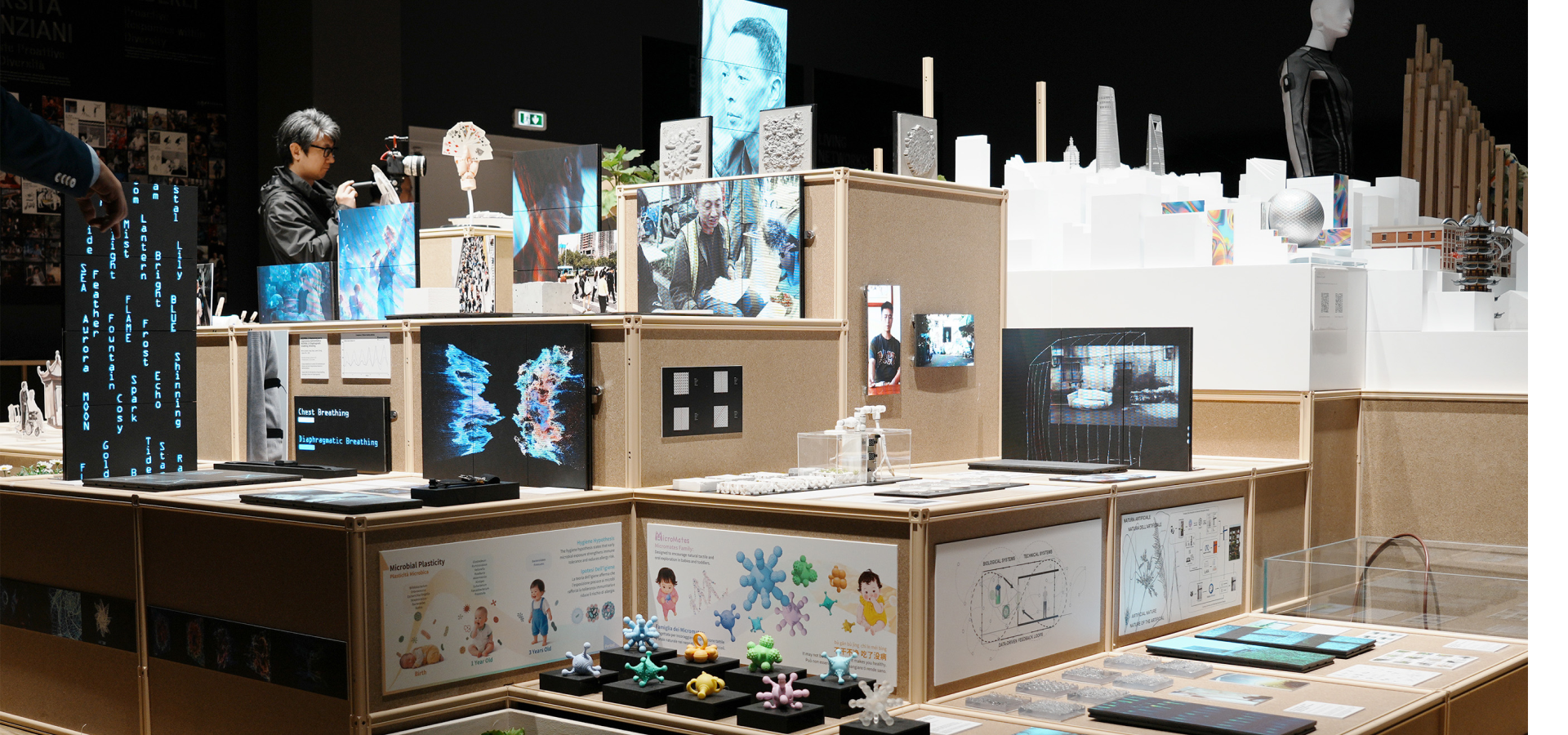
This exhibition demonstrates the SUSTech School of Design’s guiding idea of “design for good,” focusing on how emerging technologies are reshaping everyday life and on the values design can create in that process. Design is not only a way to solve problems; it is also a means to imagine future ways of living, to actively construct new situations, and to open fresh possibilities for cultural and industrial development so as to bring forth socio-economic values.
As technologies such as immersive media, spatial computing, artificial intelligence, robotics, drone delivery, and future urban systems keep advancing, they are gradually entering a broader field of daily use. For technology to have real impact, however, it cannot remain at the level of pure function; it must be organised, guided, and transformed within concrete situations for users, market and sustainability. The significance of design lies precisely in this: within shifting life scenarios, design turns abstract, complex technologies into experiences that people can sense, understand, join, and enjoy, so that technology becomes not only a tool for efficiency but also a way to enhance life and the world now and the future for better.
Culture is especially important in this process. It does more than provide “content” for technology; it is a key source of meaning, emotional resonance, and a sense of belonging. Culture shapes how we understand the world and ourselves, and it influences whether future ways of living feel warm and deep, or cold and shallow. Only when culture is genuinely woven into the design of experiences and situations can technology move beyond its own functionality and become a more humane, more affective, and more meaningful force in life.
By exploring how emerging technologies are developing in areas such as healthcare, education, public services, and future urban life, this exhibition aims to show how design can play a decisive role between technological progress and social well-being. It also suggests that the industries of the future cannot rely on technology alone; they will require design to link innovation, cultural imagination, and lived experience in order to create better lives together.
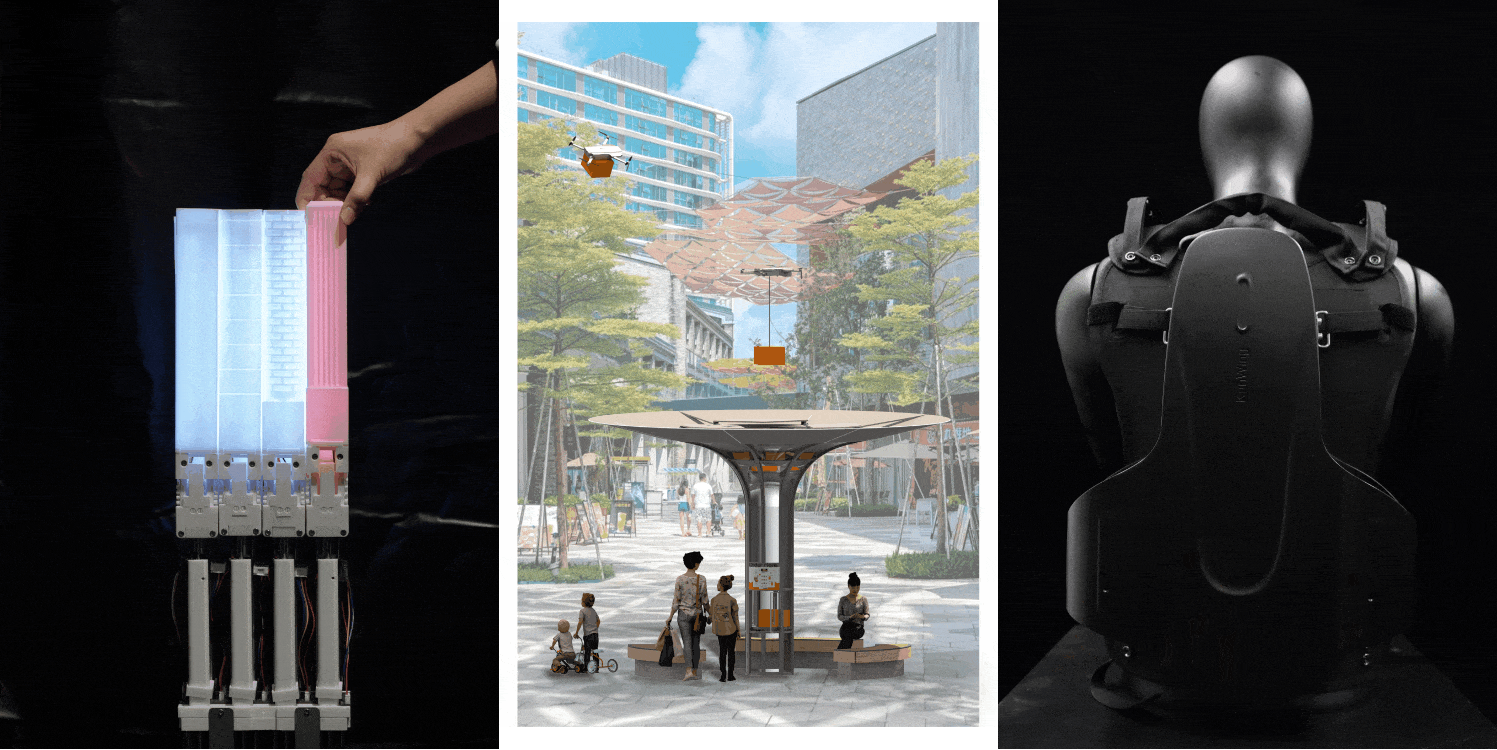
Selected Projects
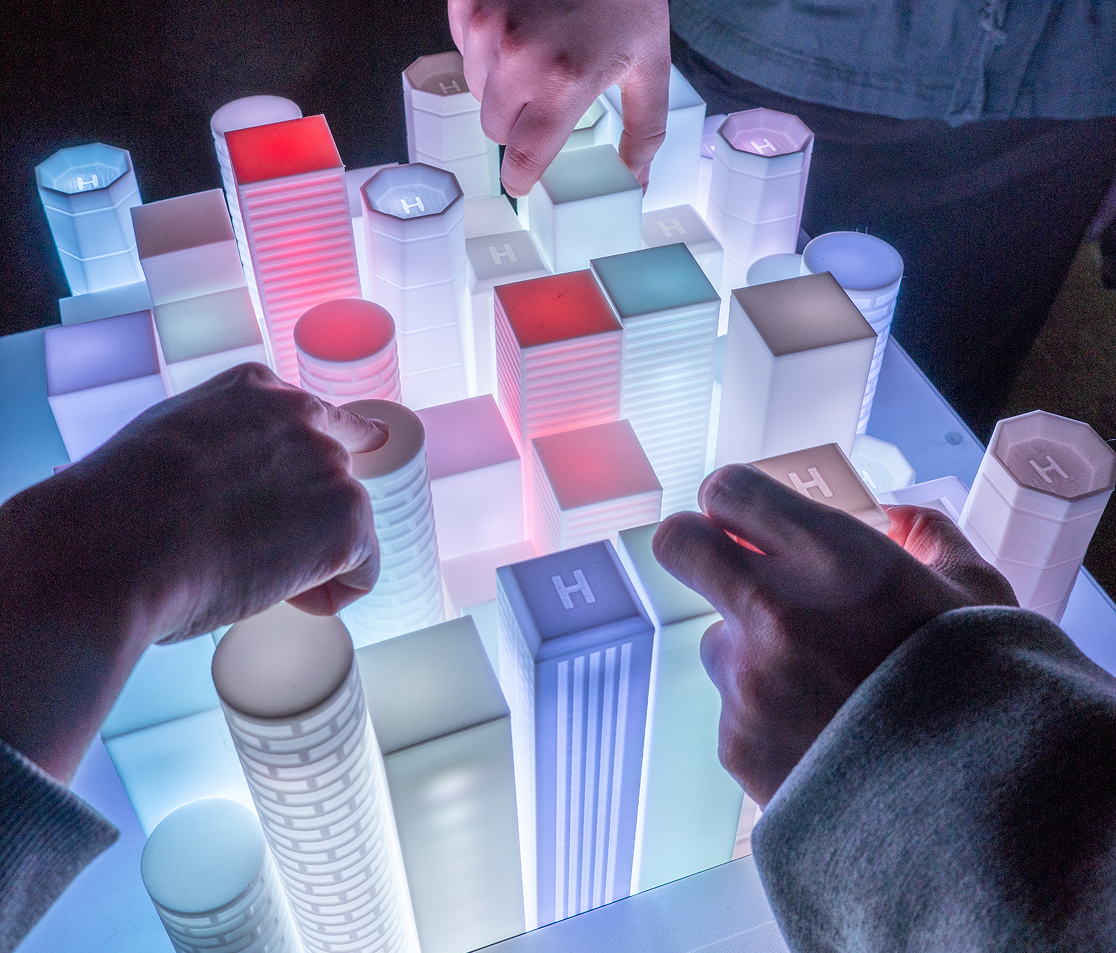
Three-dimensional community simulation interface: Designing and manufacturing RoboScope, a pin-array display to facilitate understanding through iteration of a community’s common vision
This project develops a real-time deformable haptic interface that uses a shape-changing pin-array display to materialise urban data, replacing traditional static planning models. Through dynamic “push–pull” interactions, urban planners, decision-makers, and community residents can directly manipulate three-dimensional building forms and simulate, in real time, how different planning schemes affect the environment. By turning data into physical experience, the project seeks to break down professional barriers and help diverse stakeholders reach consensus on complex urban issues, supporting more sustainable and equitable community design in the future.
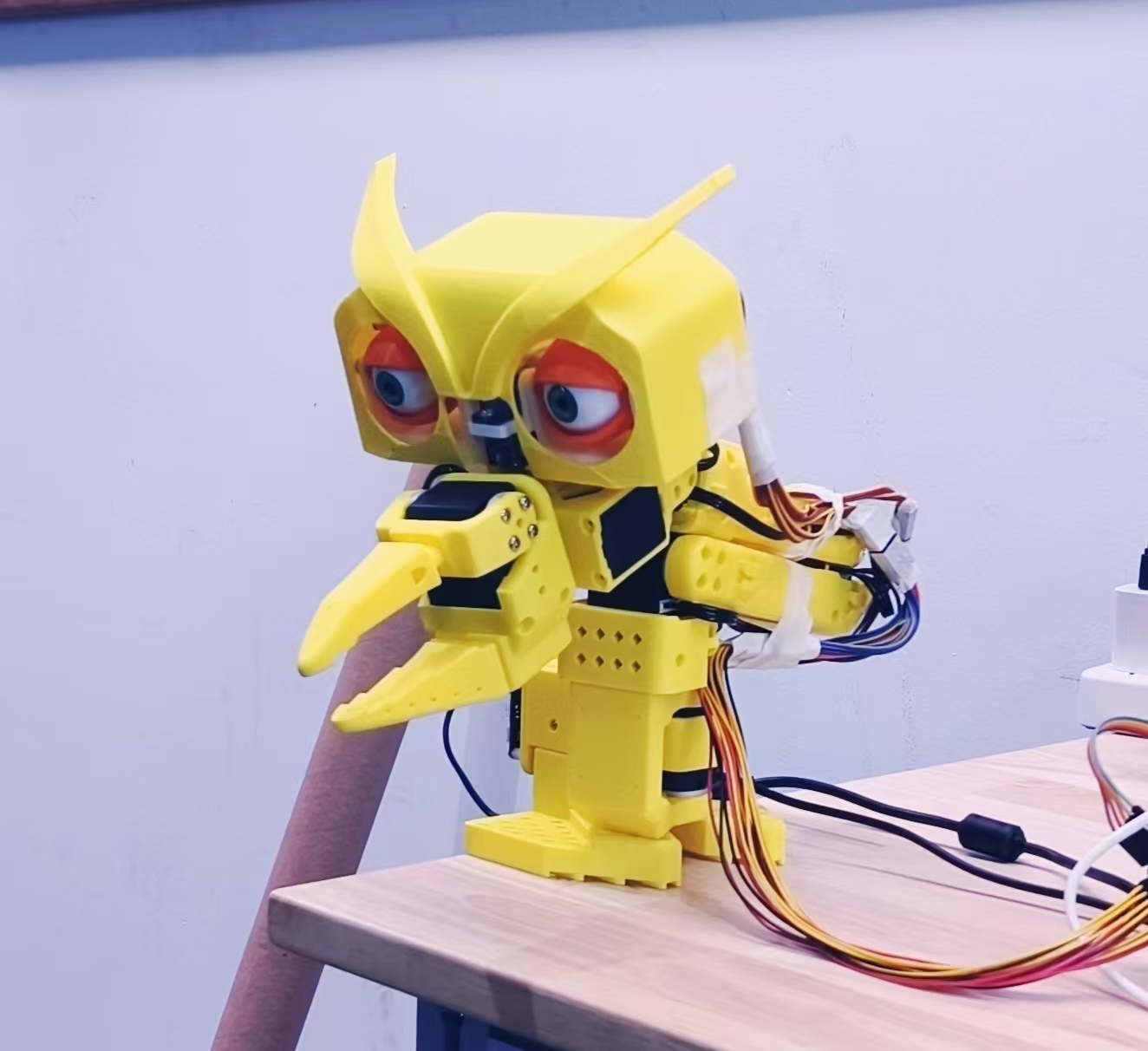
ClawEye: A Desktop Collaborative Robot Based on Arm-Eye Coordination
This project designs a desktop collaborative robot based on coordinated movement of arm and eye. Unlike conventional robots whose eyes are fixed on a base-mounted screen or in LED arrays, ClawEye places the eye module directly behind the end-effector gripper, allowing the eyes to move in sync with it. During grasping, handing over, and similar tasks, the robot performs gaze, blinking, and other visual expressions that naturally integrate visual feedback with operational behavior.
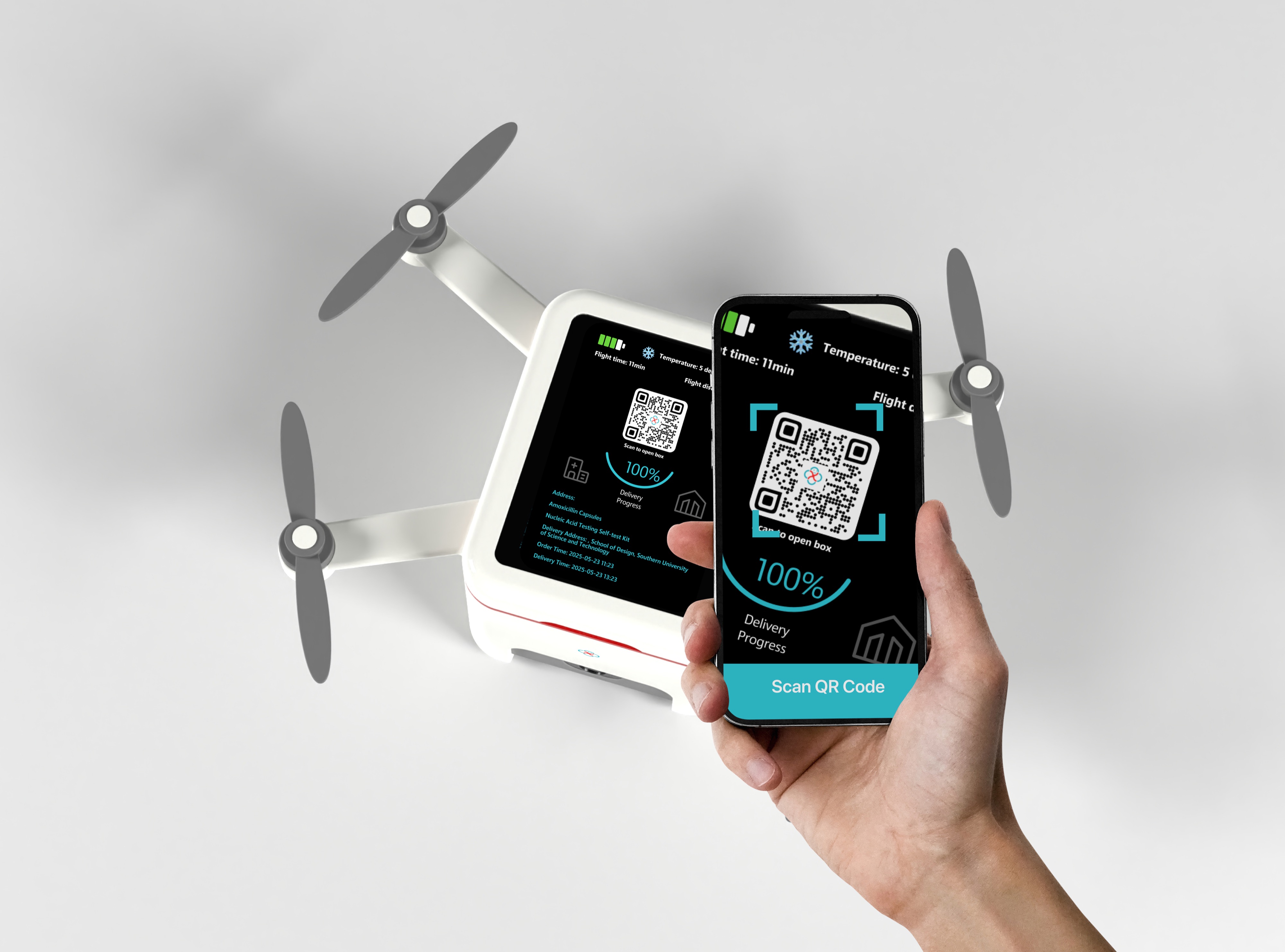
BeeWell Medical Drone-Service System
BeeWell is a medical drone-supported remote healthcare service that delivers prescription medication directly to homes, extending professional care beyond hospitals. The system integrates autonomous medical drones, secure digital identity verification, and senior-friendly interaction design so that doctor-led care can continue seamlessly into domestic space. Unlike conventional logistics drones, BeeWell is conceived as a complete medical service system. It supports hospital prescriptions, uses QR codes for authentication, and provides refrigerated delivery tailored to traditional Chinese liquid medicines frequently used by elderly patients.
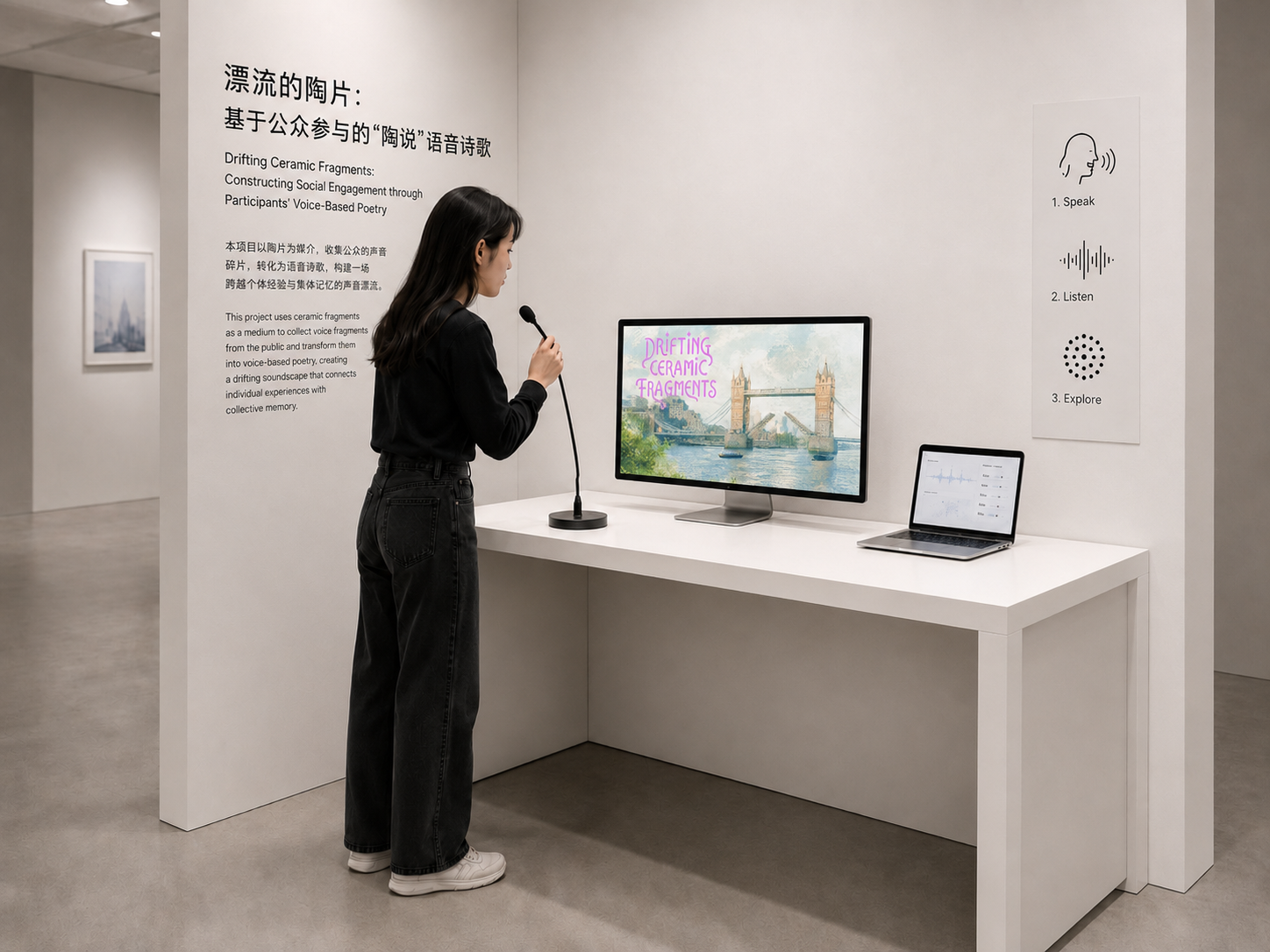
Drifting Ceramic Fragments: Constructing Social Engagement through Participants’ Voice-Based Poetry
The project uses ceramic fragments as a medium to explore on how their everyday meanings shift through transportation, circulation, and encounter. When a ceramic piece becomes a fragment, it no only represents damage or discard, but also becomes a carrier of memory, local experience, and public expression. Visitors participate through voice input, transforming their personal speech into unique “ceramic fragments.” These voice fragments drift, collide and assemble with others, generating poetic sound collages through AI. By connecting ceramic fragments, voices and poetry, the project explores the contemporary expression and social participation of traditional ceramic culture within the context of intelligent generation.
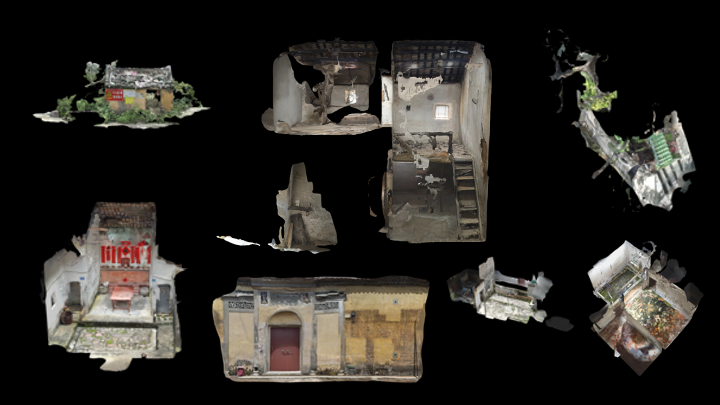
Re-Generative Narratives: A Multimedia and Multiperspective Installation of Cultural Heritage Generative Fabulation
Re-Generative Narratives is a multimedia approach developed from the research project Future Archeology (2022-2025). The project critically examines how cultural identity is reshaped in a globalized, fast-paced digital era. It takes Hakka culture as a case and examines its cultural and historical elements from the perspective of visualizes a within imaginative temporal and spatial dimensions, embracing uncertainty and spontaneity. The installation juxtaposes familiarity and surrealism, forging an evolving narrative that challenges static representations of cultural heritage.
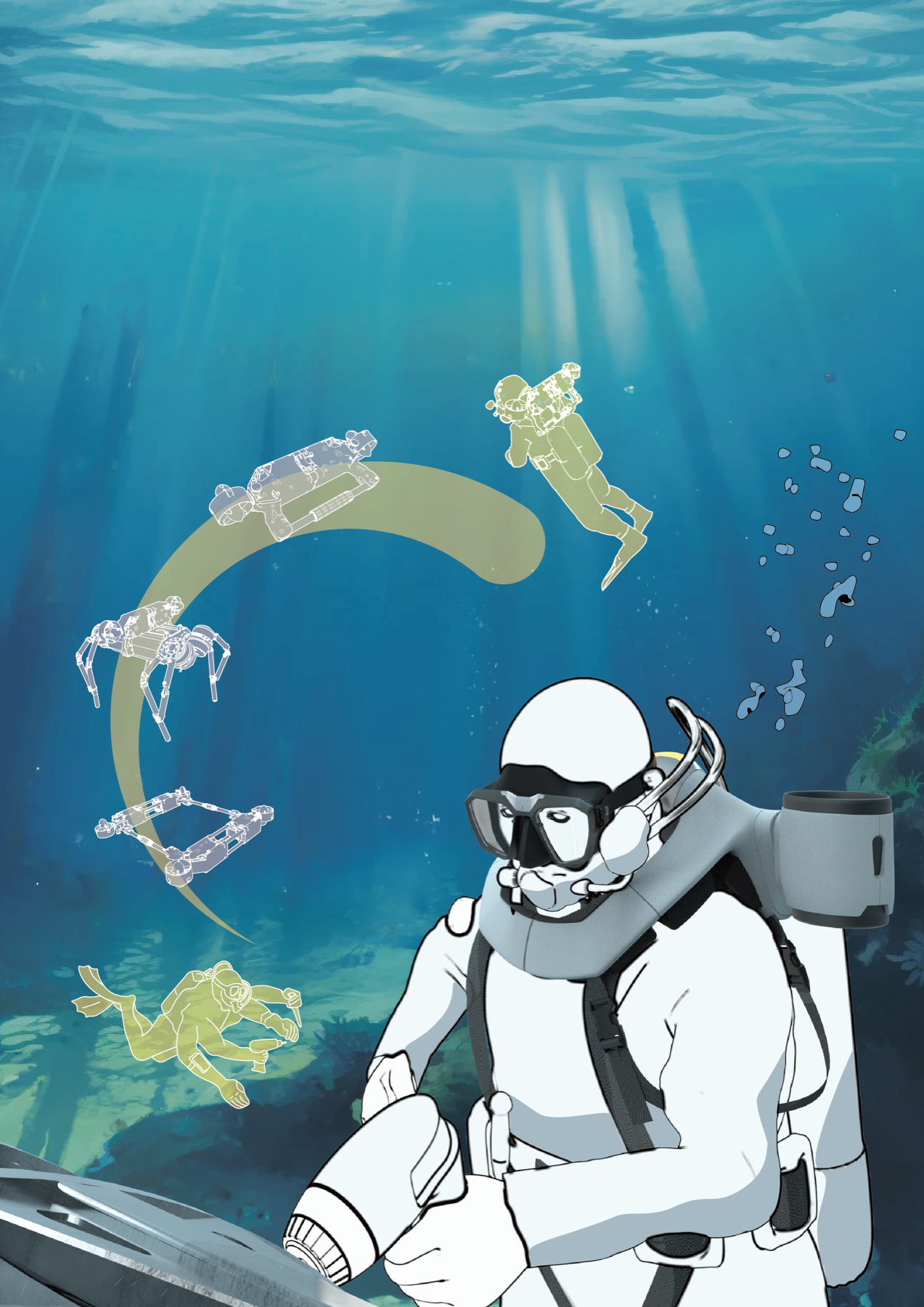
Reconfigurable underwater supernumerary robotic limbs for diving assistance
This research addresses divers’ needs for intelligent assistance by developing wearable underwater supernumerary robotic limbs to support underwater engineering, equipment maintenance, rescue, archaeology, and related tasks. The system helps divers with movement and posture control, reducing physical load. Underwater, environmental and equipment constraints make it hard for divers to express intent, and their limbs are often fully occupied, leaving little capacity to control assistive devices; existing interaction methods are limited and poorly suited to multitasking. To respond, the study introduces an intention-recognition scheme that combines head-motion sensing with throat-vibration detection, and develops a wearable multi-sensor device and multimodal intention-recognition algorithm.
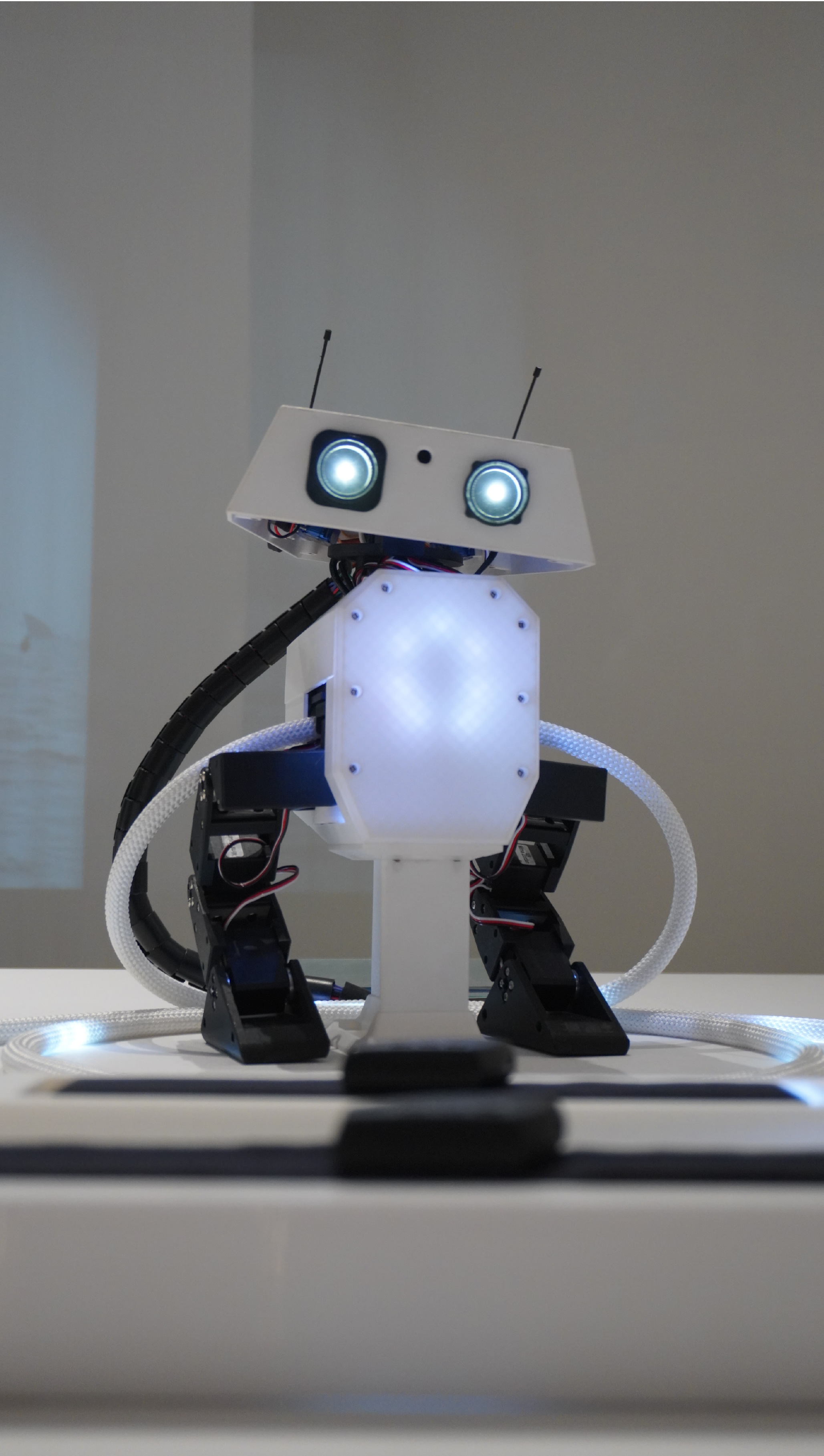
YOU and BLUE: An Embodied Robotic Agent for Diaphragmatic Breathing Retraining through Closed-Loop Physiological Computing
You and Blue is an embodied robotic feedback system that uses real-time physiological computing to retrain diaphragmatic breathing. A dual-channel capacitive respiration sensor distinguishes thoracic from abdominal breathing, while a three-stage finite-state machine combines visual feedback, rhythmic guidance, and organ-based correction. Once users consistently maintain proper diaphragmatic breathing, the system enters an “awakening–rescue” scenario in which they must keep breathing steadily to restore the robot’s vitality, demonstrating a new approach to breathing regulation that links physiological computing with embodied interaction.
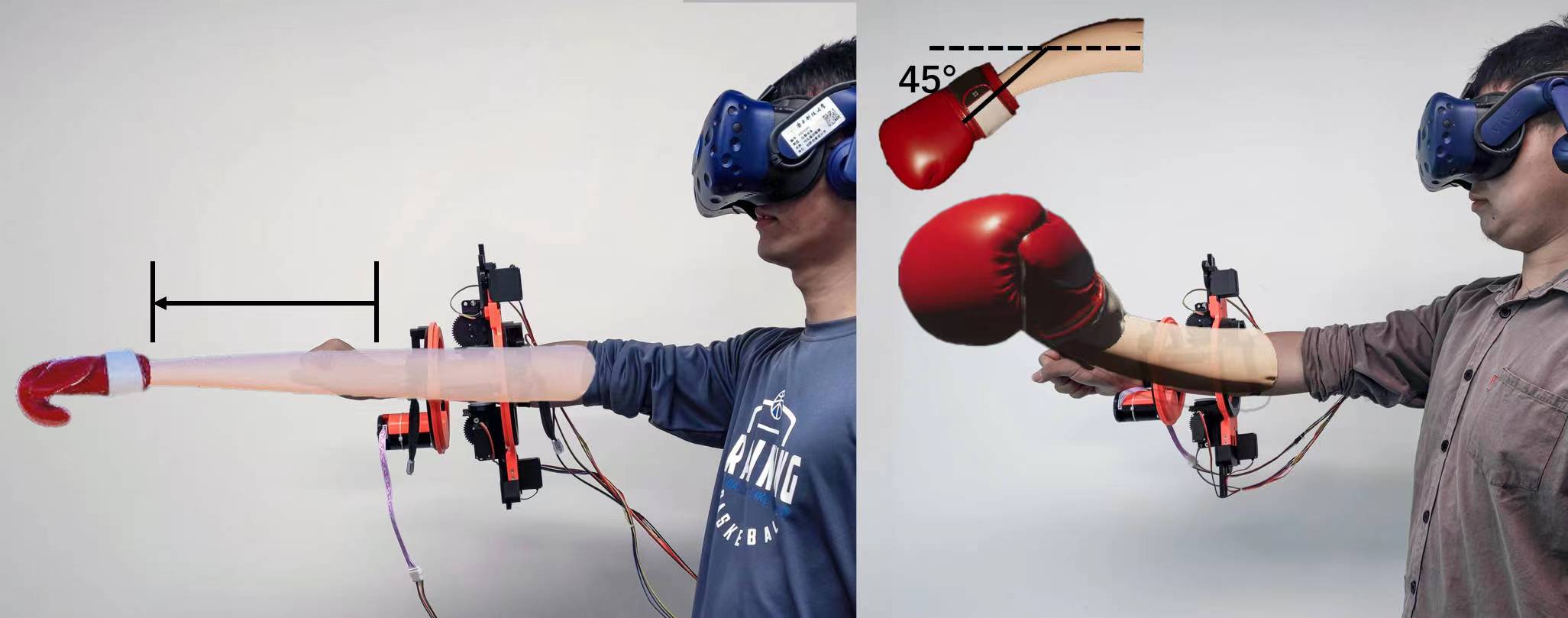
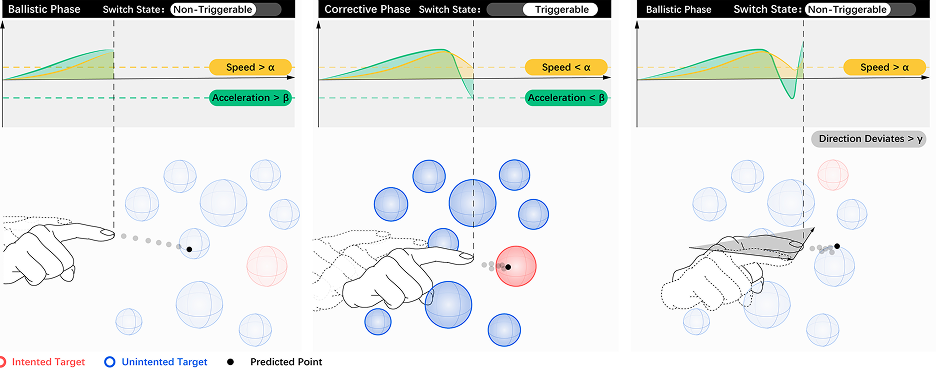
Motion-Touch: Kinematic-based Adaptive Switch for Enhancing Virtual-Hand Selection with Target Prediction in AR/VR
Selecting objects in AR/VR often involves a struggle between speed and accuracy. We developed Motion-Touch to solve this using AI prediction and human body kinematics. It recognizes your hand movements: when you swing quickly, it remains passive to prevent accidental triggers; when you slow down and approach a target, the AI intervenes to help you "click" precisely. Experiments show that this method is as fast as popping bubbles, while achieving nearly error-free, hands-free interaction.
Lullabot: A Social Robot to Alleviate Social Pressure for Vistors in Psychological Counselling
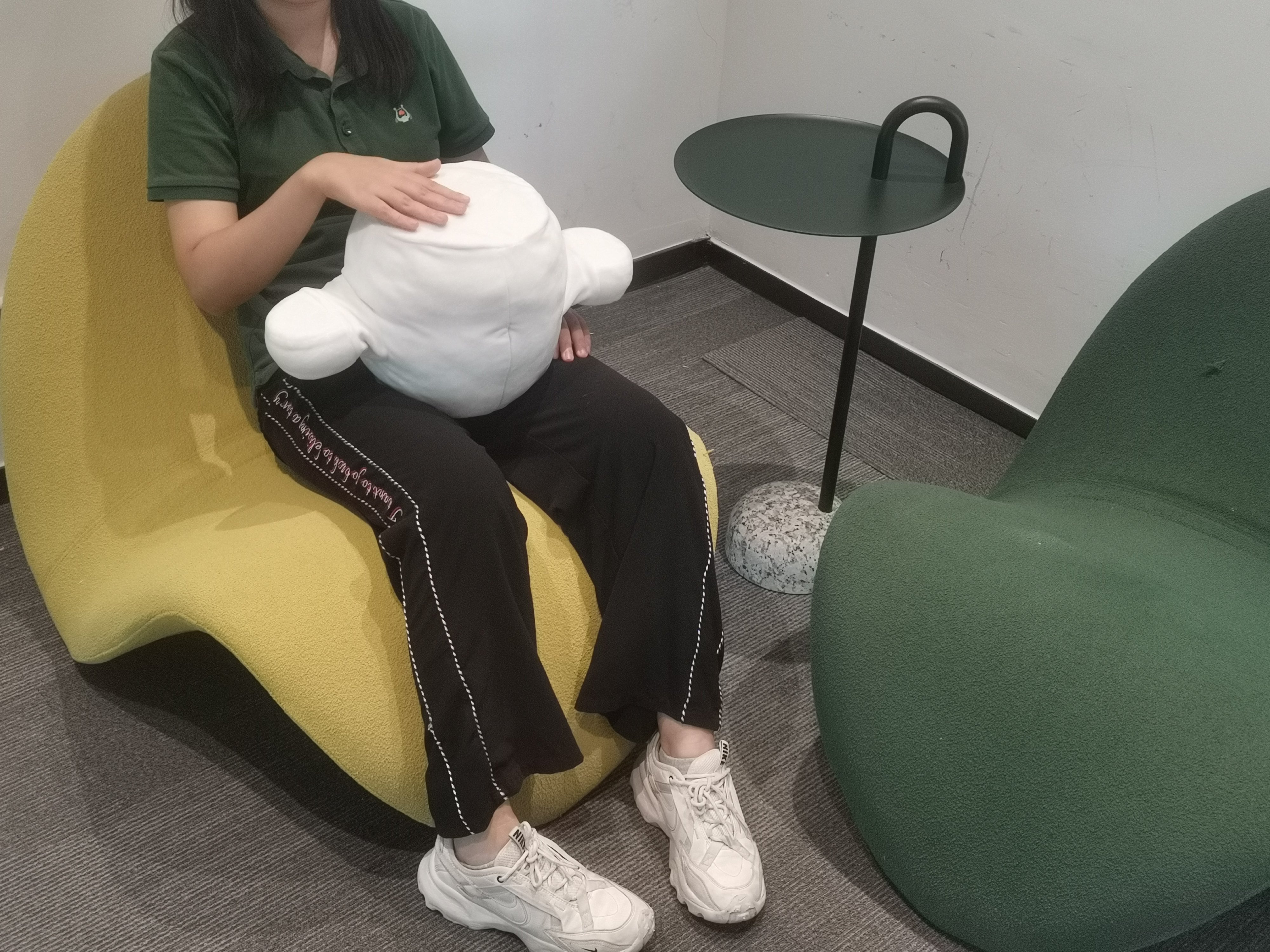
Lullabot is a social robot designed to ease psychological pressure for first-time visitors to counselling sessions. Many people feel anxious or uncomfortable due to social stigma or unfamiliar environments, which can limit openness and reduce the quality of counselling. Placed on the visitor’s lap, Lullabot gradually “falls asleep” when gently stroked, offering a calm, comforting presence. Through this subtle interaction, the robot helps relieve anxiety, creates a relaxed atmosphere, and supports more natural, effective communication between visitor and counsellor.
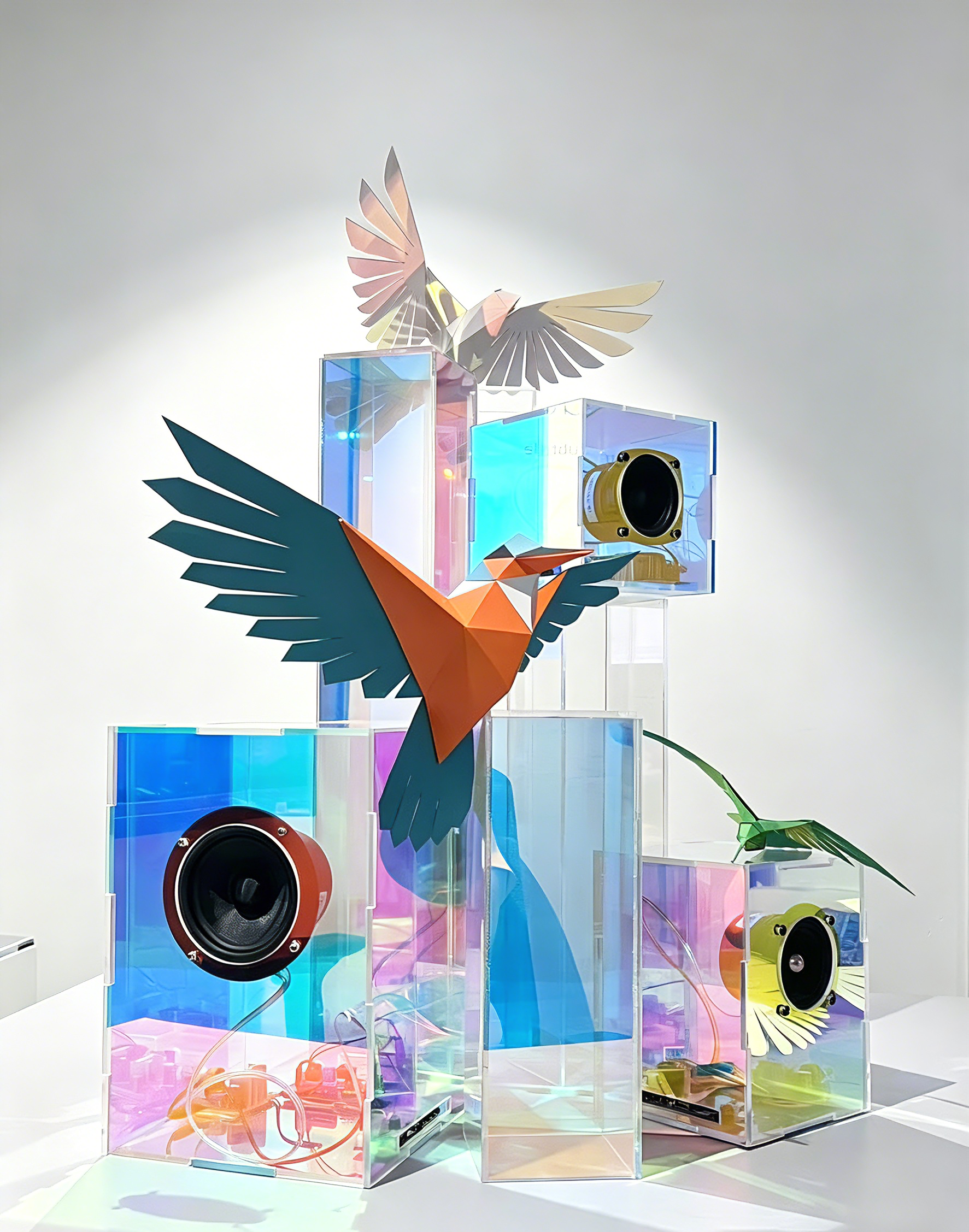
Disoriented Flight: Avian Life in the Technological City
Disoriented Flight: Avian Life in the Technological City explores how contemporary technological cities reshape the survival and perception of birds through a multi-point spatial sound installation that combines sound art, spatial media, and interactive sensing technologies. The work constructs an immersive and constantly shifting auditory environment using bird calls, urban noise, and mechanical sounds, allowing audiences to experience the state of avian “disorientation” while moving and listening within the space. Artificial lighting, glass façades, and continuous urban noise continuously interfere with birds’ migration, communication, and orientation. By transforming these often unnoticed ecological pressures into perceptible experiences, the project encourages audiences to rethink the relationship between technological development, urban design, and multispecies coexistence.