Apr 12. 2026 - Latest News
From March 21 to 22, 2026, the School of Design at Southern University of Science and Technology (SUSTech) successfully hosted the Greater Bay Area Pre-CHI 2026. Bringing together universities, research institutions, and innovative enterprises from across the Guangdong–Hong Kong–Macao Greater Bay Area (GBA), the conference aimed to foster collaboration and advance the development of Human-Computer Interaction (HCI) in the region through academic sessions, workshops, keynote talks, and other activities.
The conference provided a platform for scholars to share and exchange their latest research, with a particular focus on emerging directions in HCI. It explored how HCI research could be extended to larger scales, greater complexity, and broader application contexts, while promoting academic collaboration and innovation.
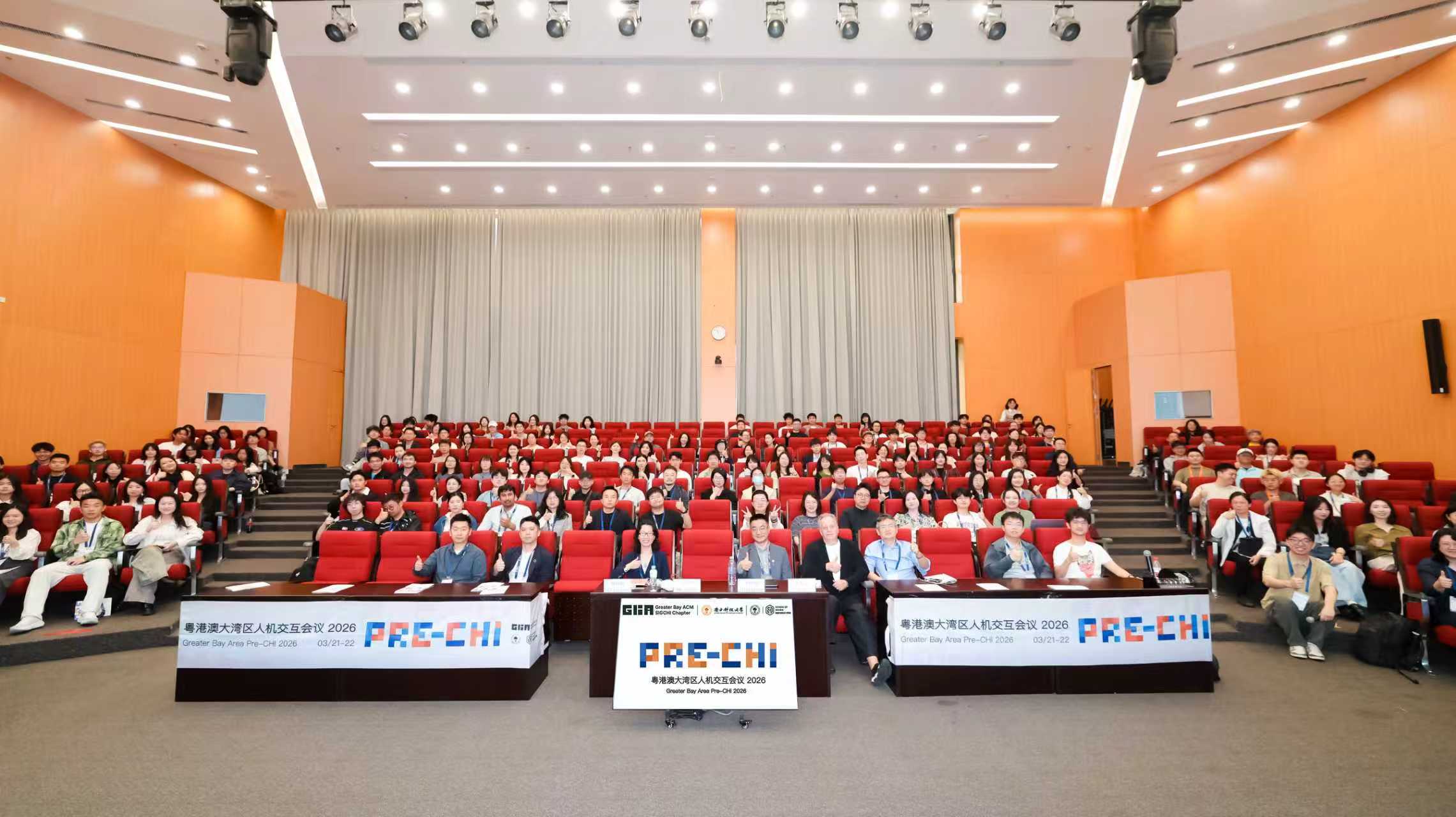
Group photo from March 21
Conference Overview
The conference was hosted by the School of Design, Southern University of Science and Technology, with support from the Graduate School of SUSTech and the Greater Bay ACM SIGCHI Chapter.
SUSTech School of Design Chair Professor Xiaohua Sun and Professor Liang Hao, Professor Shengdong Zhao from City University of Hong Kong, and Associate Professor Mingming Fan from the Hong Kong University of Science and Technology (Guangzhou) served as advisors to the Organizing Committee.
Assistant Professors Xueliang Li and Pengcheng An from the School of Design served as Conference Chairs. Assistant Professor SeungWoo Je from the School of Design, Associate Professor Yuxin Ma and Assistant Professor Tao Luo from SUSTech, and Assistant Professor Mirna Zordan from the School of Design served respectively as Program Chair and Workshop and Poster Chairs. Xu Li, Administrative Vice Dean of the School of Design, served as Local Chair.
The conference attracted 376 participants from more than 90 universities and companies, including scholars from leading universities and research institutions across the GBA, such as City University of Hong Kong, The Hong Kong Polytechnic University, The Hong Kong University of Science and Technology, The Hong Kong University of Science and Technology (Guangzhou), University of Macau, Southern University of Science and Technology, Sun Yat-sen University, Shenzhen University, Jinan University, and Shantou University.
In addition to registered international participants, the event welcomed faculty members, students, entrepreneurs, and innovators from within and beyond SUSTech. The conference featured 39 paper presentations and 27 poster presentations. Over the course of two days, the program included keynote speeches, paper sessions, poster presentations, panel discussions, workshops, industry visits, and cultural exchange activities.
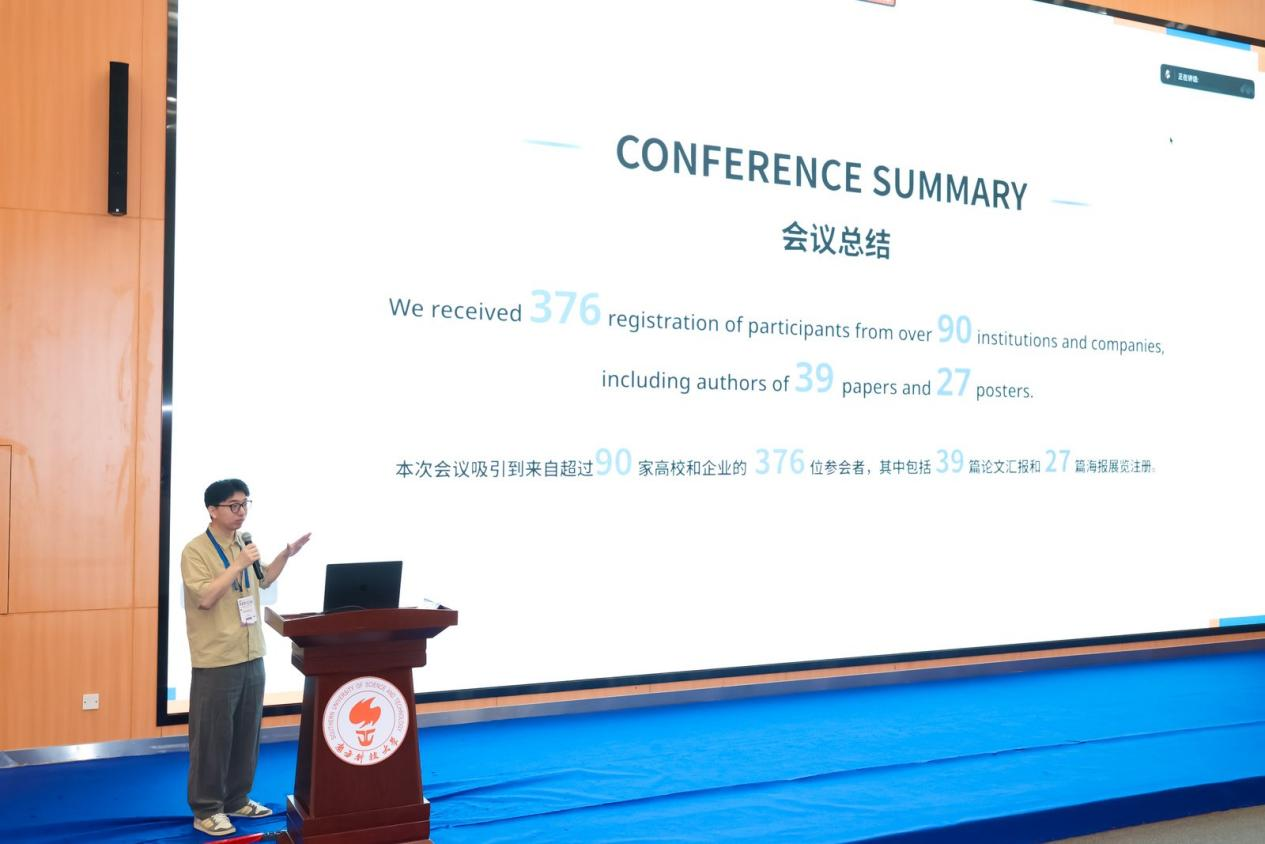
Professor Xueliang Li delivers the opening remarks
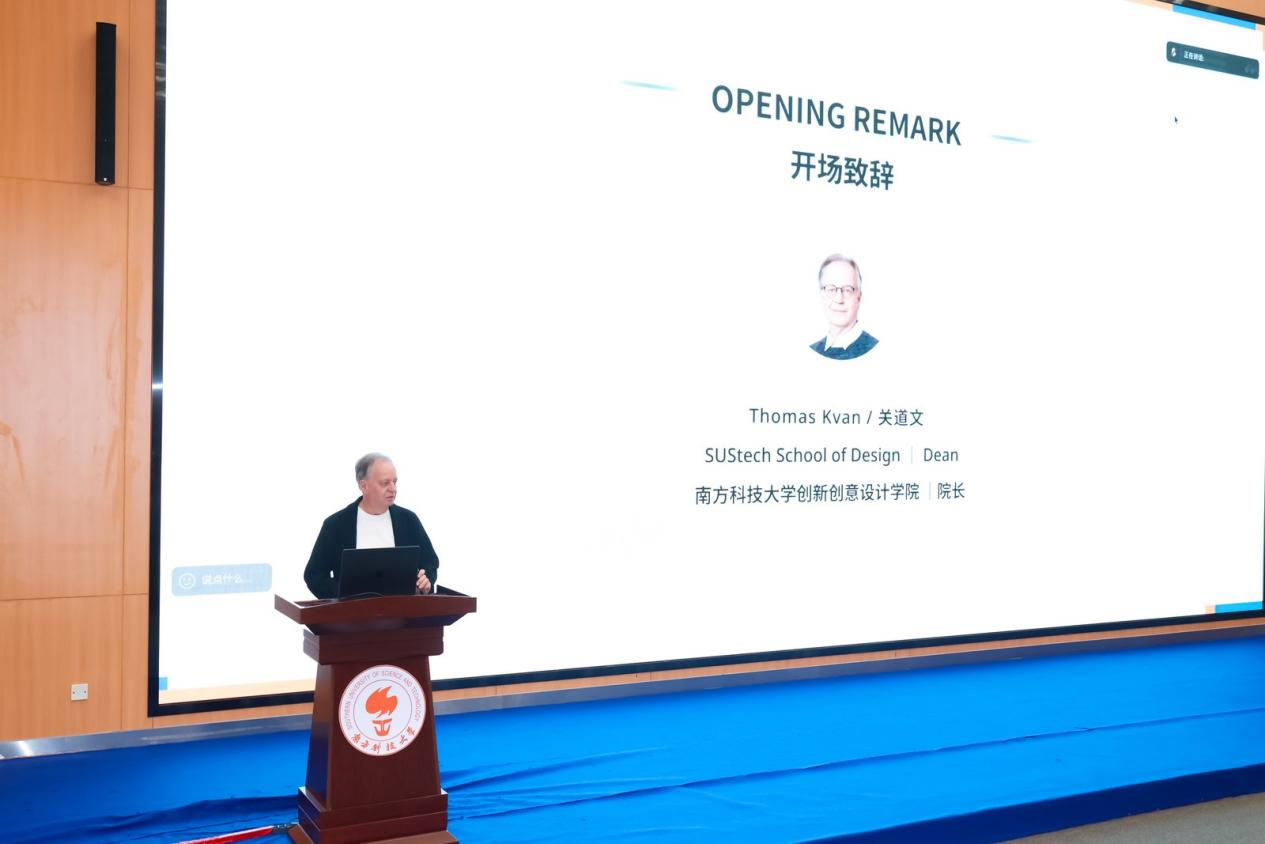
Dean Thomas Kvan delivers the opening remark
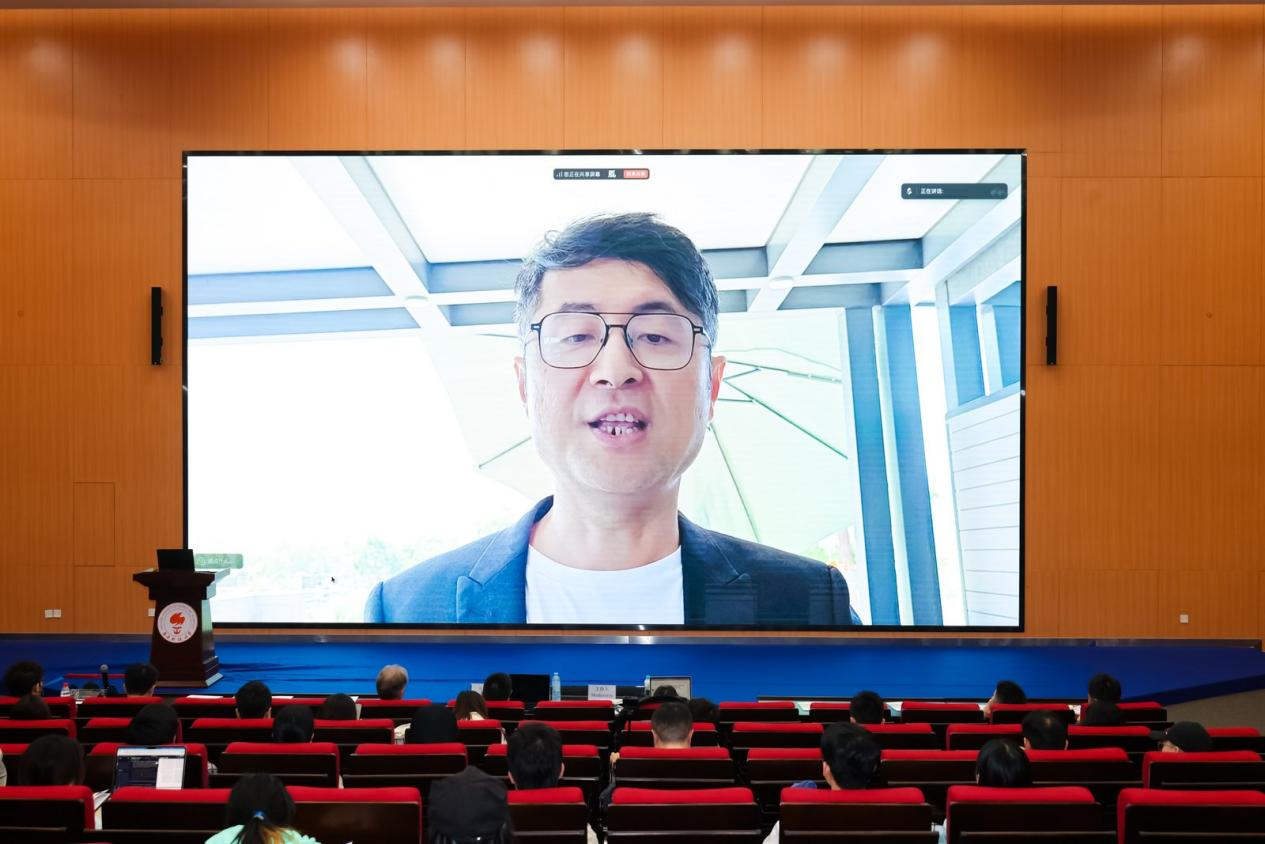
Professor Shengdong Zhao from City University of Hong Kong delivers the opening remark
Conference Highlights: March 21
On the morning of March 21, the conference officially opened at Da Cheng Auditorium, SUSTech. Assistant Professor Xueliang Li from the School of Design delivered the opening remarks, introducing the conference program as well as the voting procedures for the Best Paper Presentation Award and Best Poster Presentation Award. Professor Thomas Kvan, Dean of the School of Design, and Professor Shengdong Zhao from City University of Hong Kong, Chair of the Greater Bay ACM SIGCHI Chapter, then delivered opening addresses.
During the keynote session, Professor Haipeng Mi from Tsinghua University delivered a keynote entitled “From Tools to Mutualism: Cross-Insights Between Design Research and Art Creation.” From an interdisciplinary perspective, Professor Mi challenged conventional boundaries among technological tools, design research, and artistic creation within HCI. He systematically examined the evolution of technology from a passive tool supporting creative practice to an active participant in a mutually empowering and co-constitutive relationship with creators and researchers.
His talk further explored the reciprocal relationship between the methodological rigor of design research and the experimental creativity of artistic practice, offering new research perspectives and creative paradigms for areas such as creative expression systems and cross-media interaction design in HCI.
Associate Professor Xiaojuan Ma from The Hong Kong University of Science and Technology then delivered a keynote entitled “Empowering Engagement in Human-AI Decision-Making: Bridging the Gulf of Envisioning.” Focusing on key challenges in human-AI collaborative decision-making, Professor Ma addressed cognitive gaps between humans and AI and the critical concept of the “gulf of envisioning.”
Drawing on her team’s latest research, she examined how innovations in interaction design can enhance human participation, agency, and sense of control in AI-assisted decision-making, and how human-AI collaborative decision-making systems can be designed to better align with human cognition. Her presentation provided theoretical insights and practical references for rethinking the foundations of HCI and advancing human-centered AI interaction paradigms.
In the sessions that followed, researchers from diverse fields presented the latest work from their research groups through paper and poster presentations. Topics included creative storytelling and narrative media, education and learning support, care and support for older adults, accessibility and inclusion, among others. These sessions also facilitated in-depth discussions and exchanges among participants.
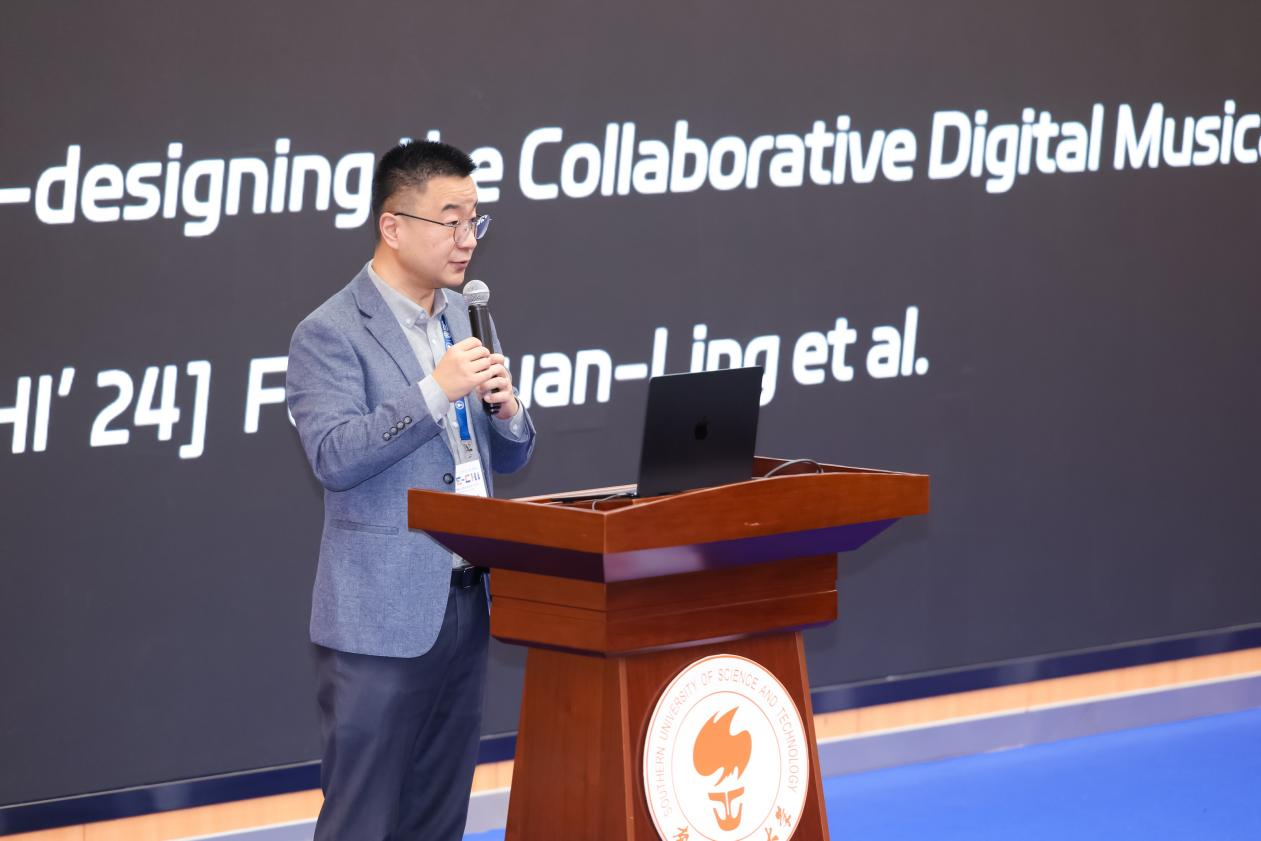
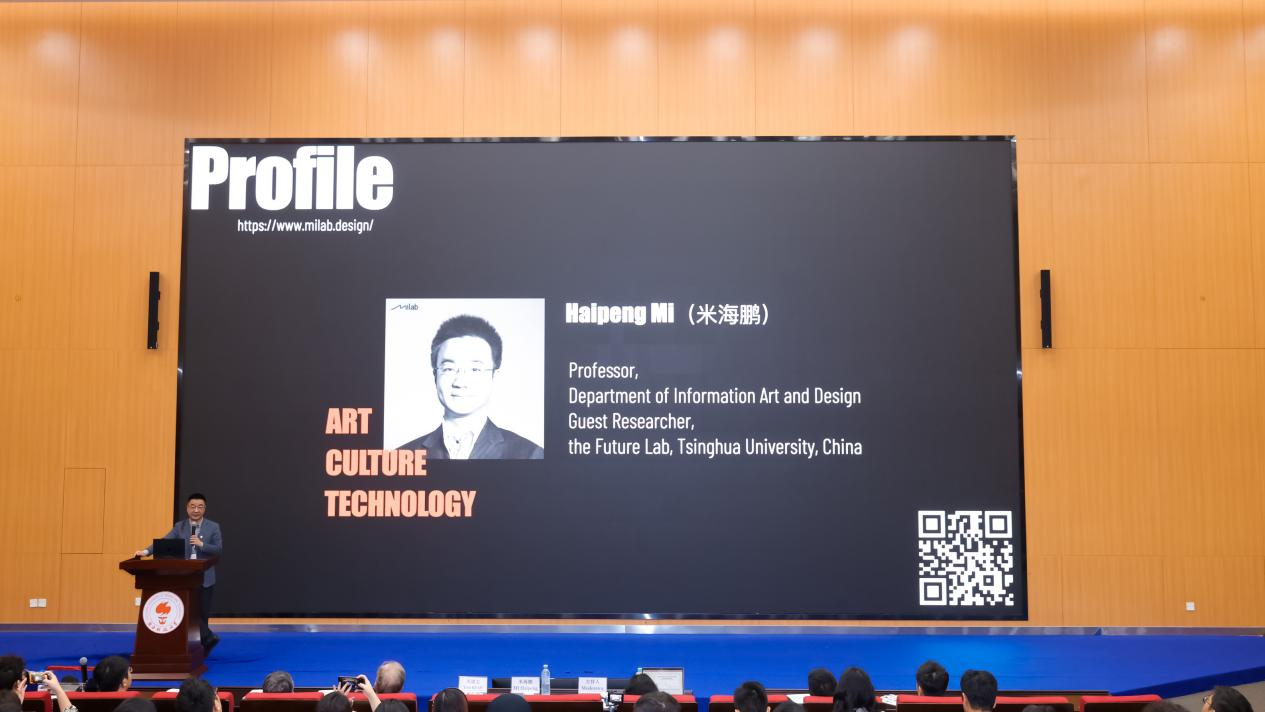
Professor Haipeng Mi from Tsinghua University delivers a keynote speech
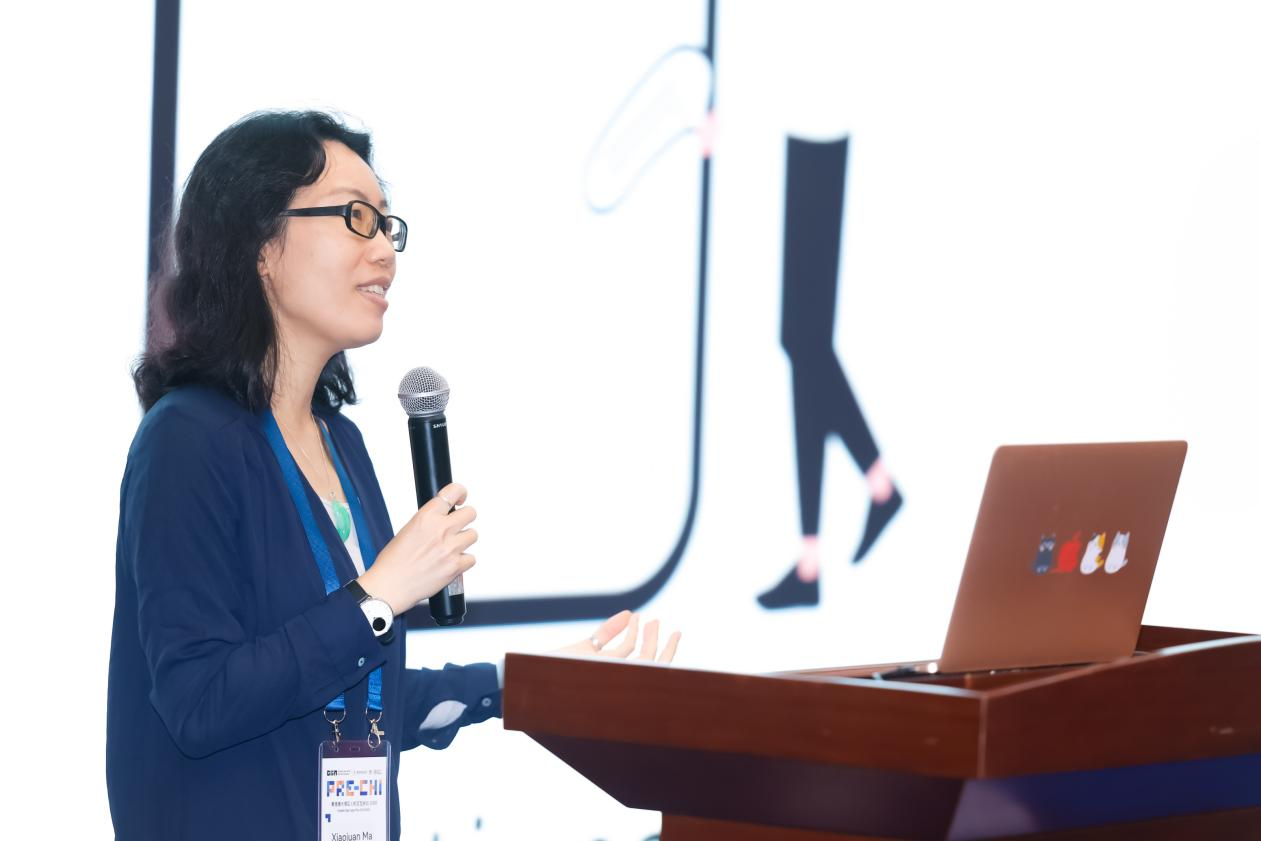
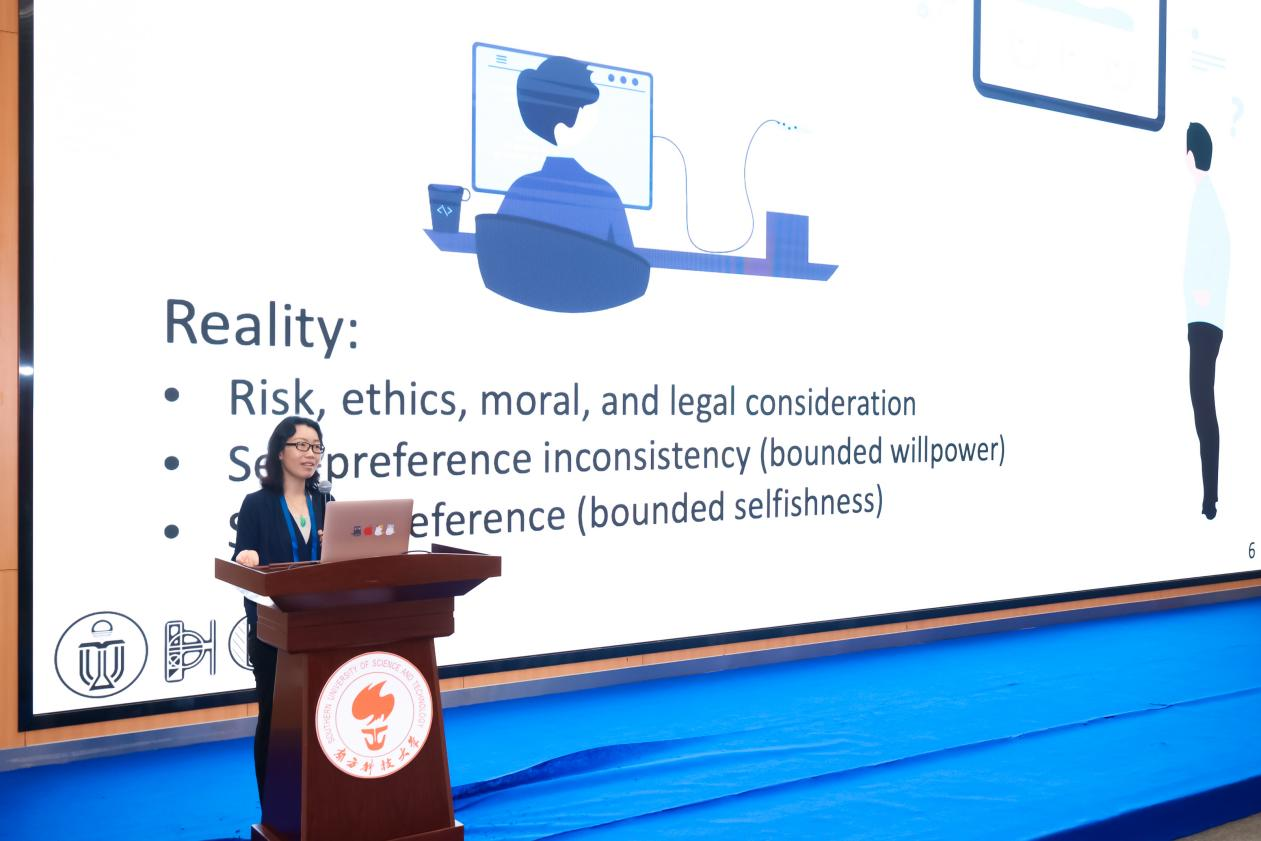
Professor Xiaojuan Ma from The Hong Kong University of Science and Technology delivers a keynote speech
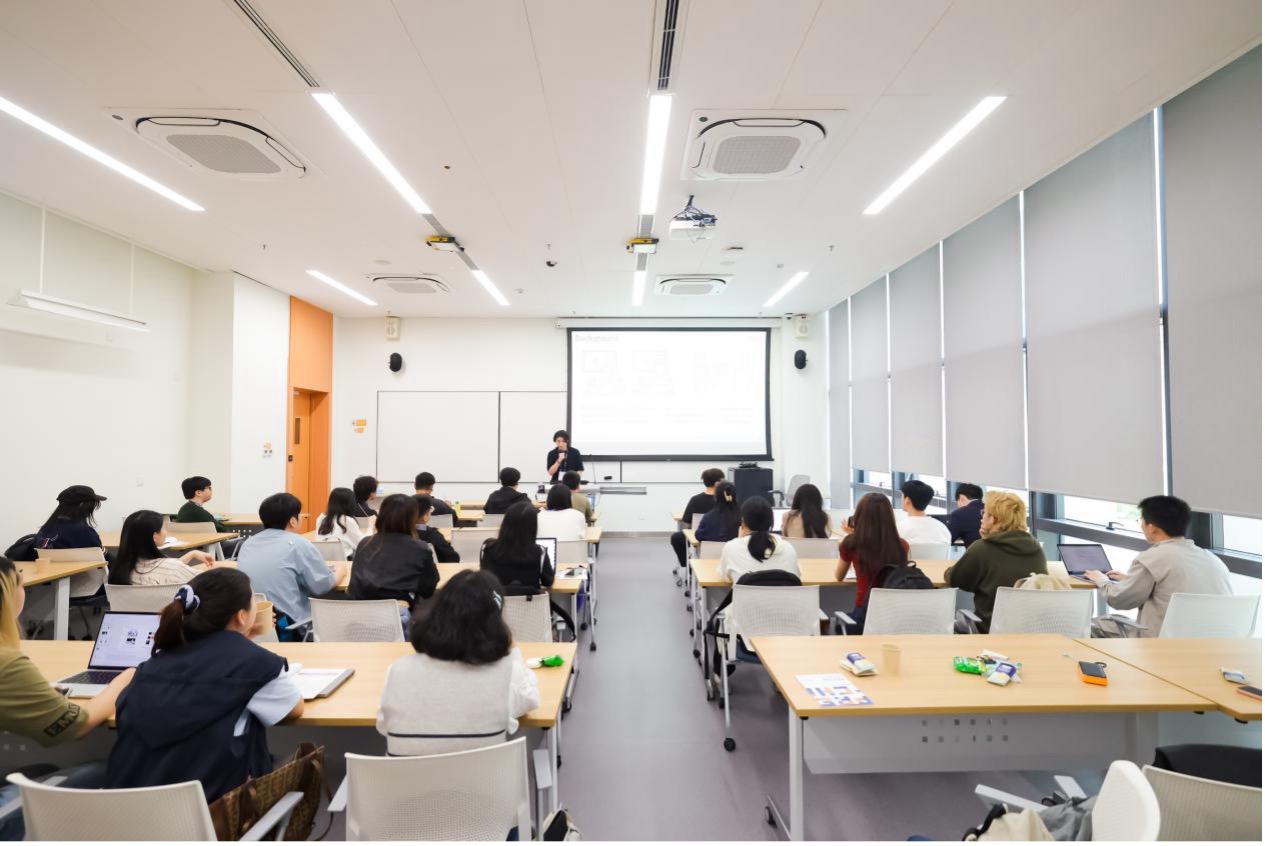
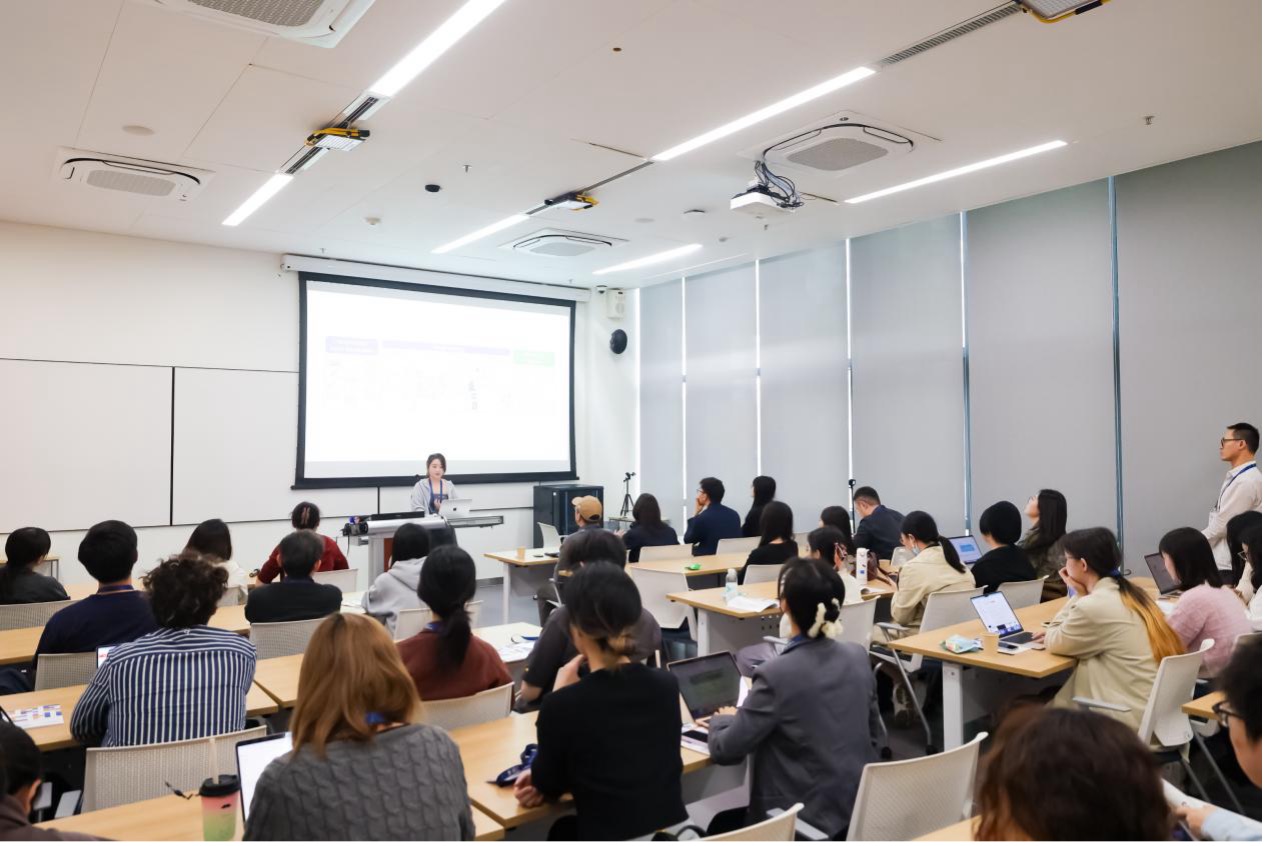
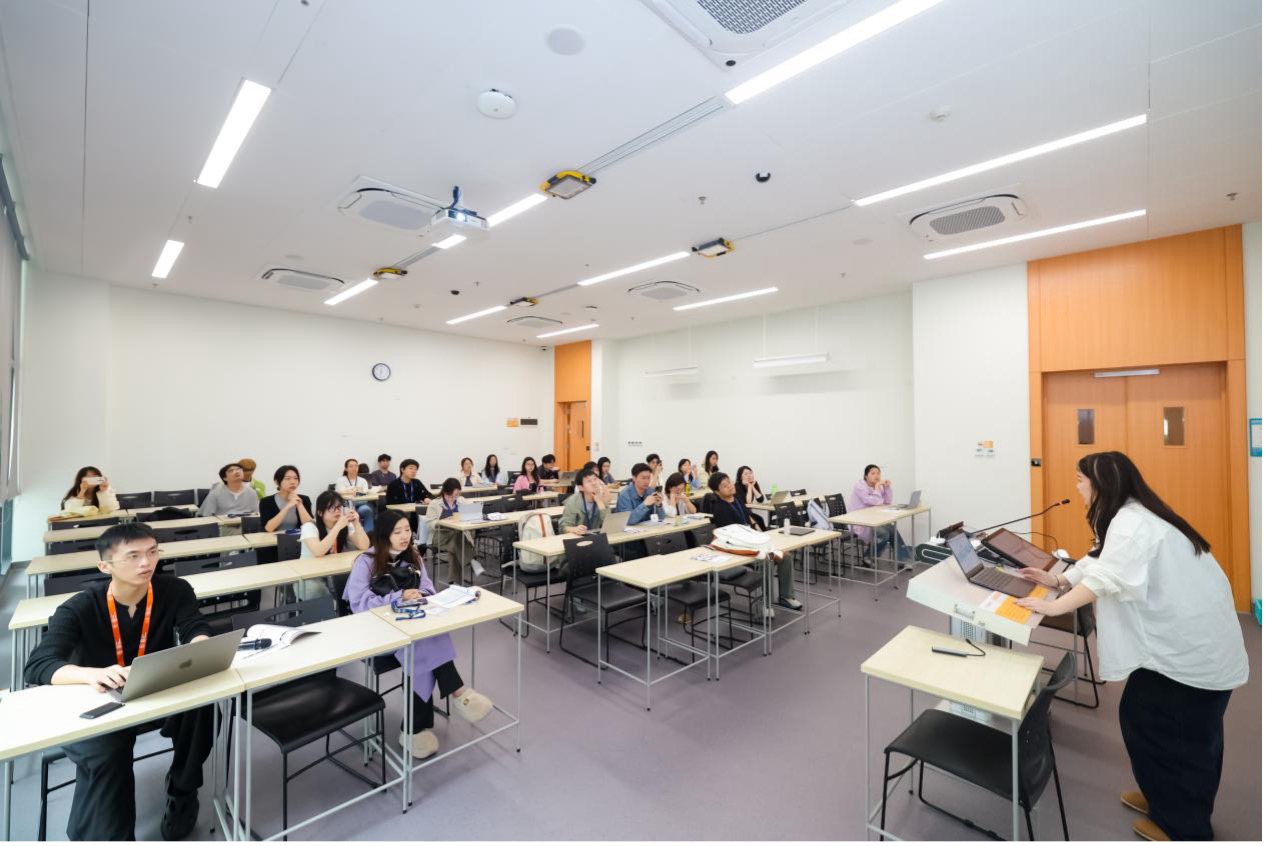
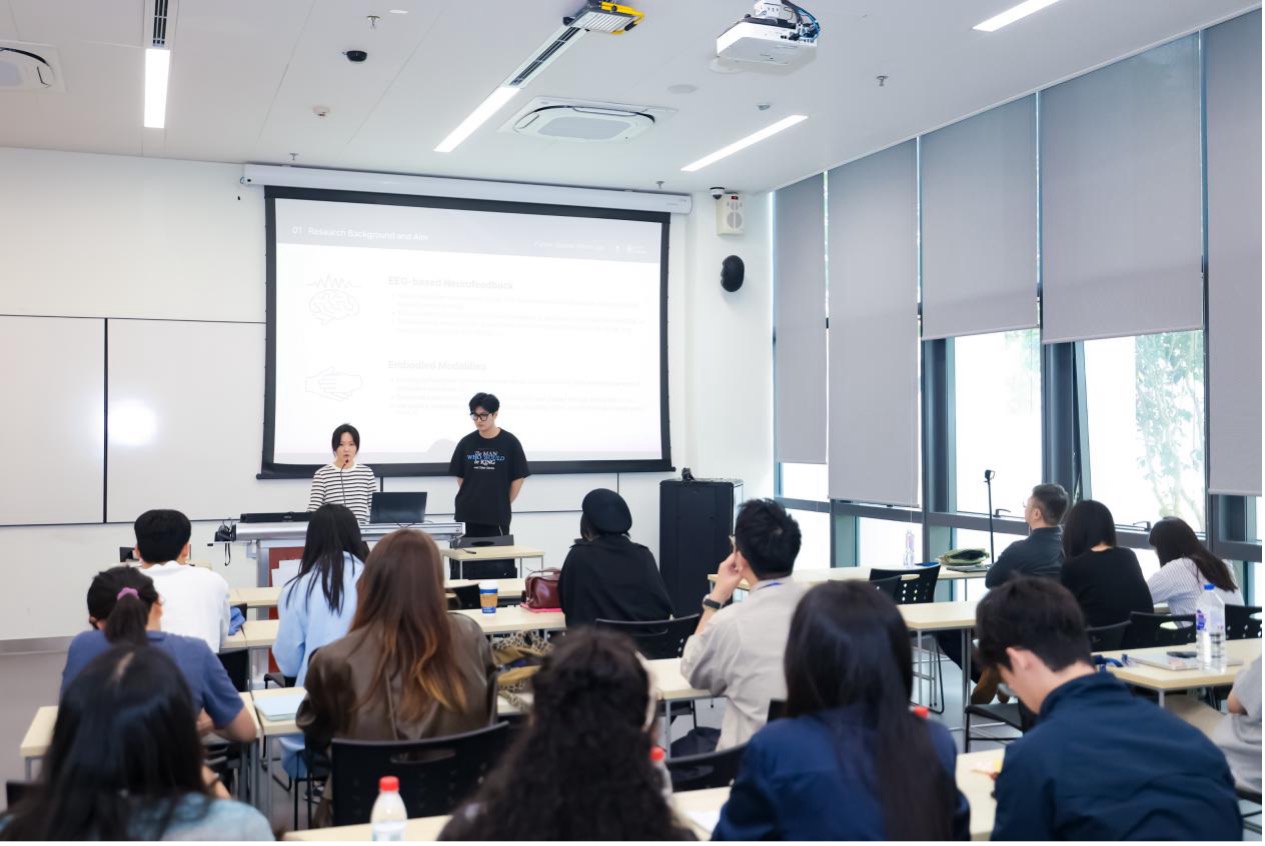
Paper presentation session
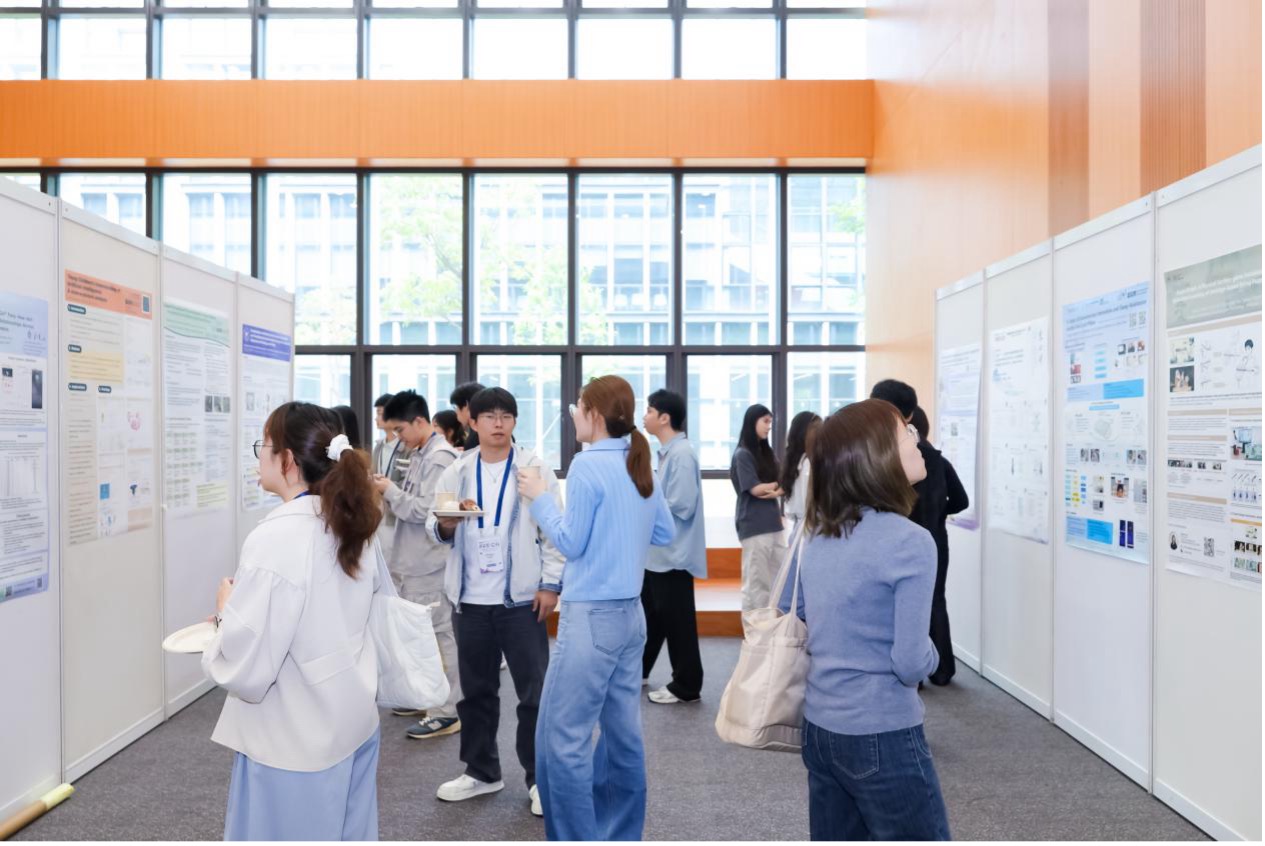
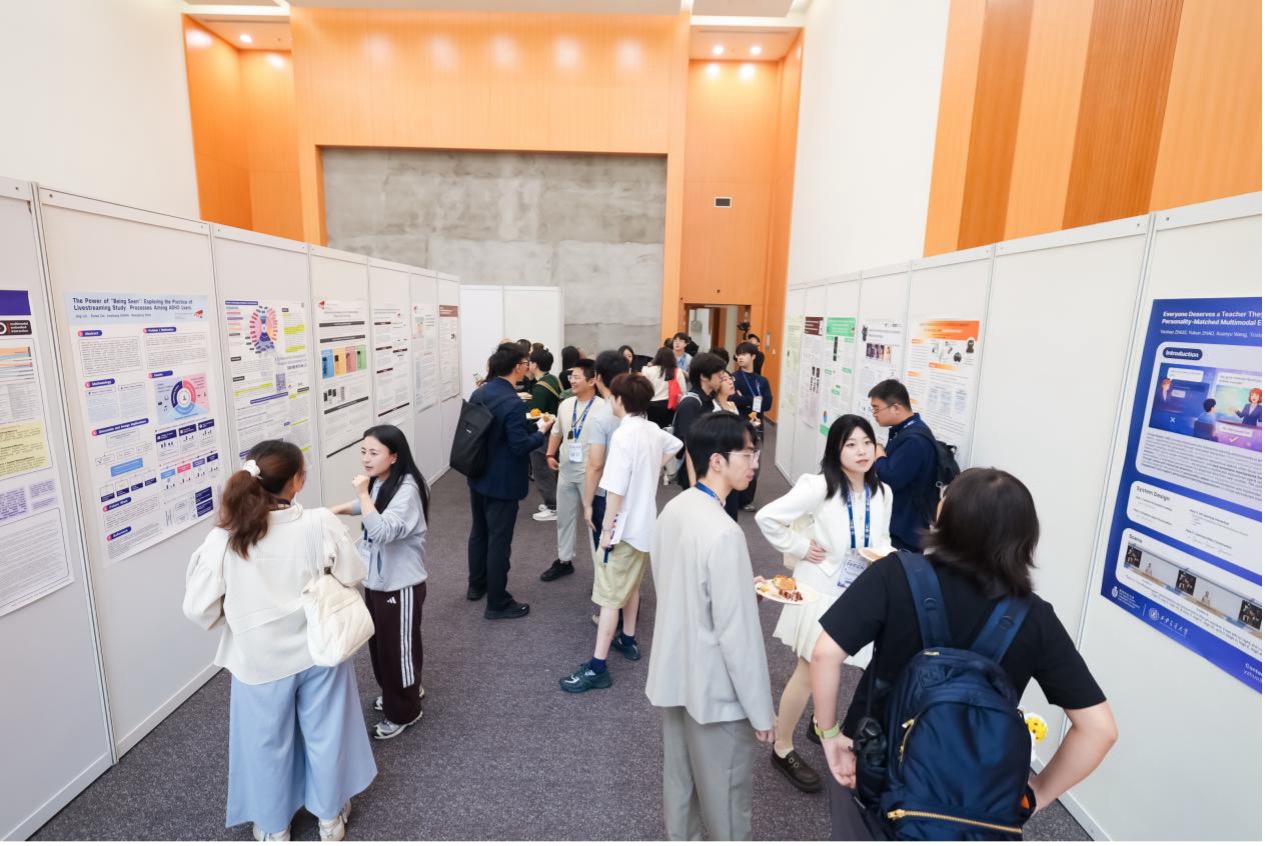
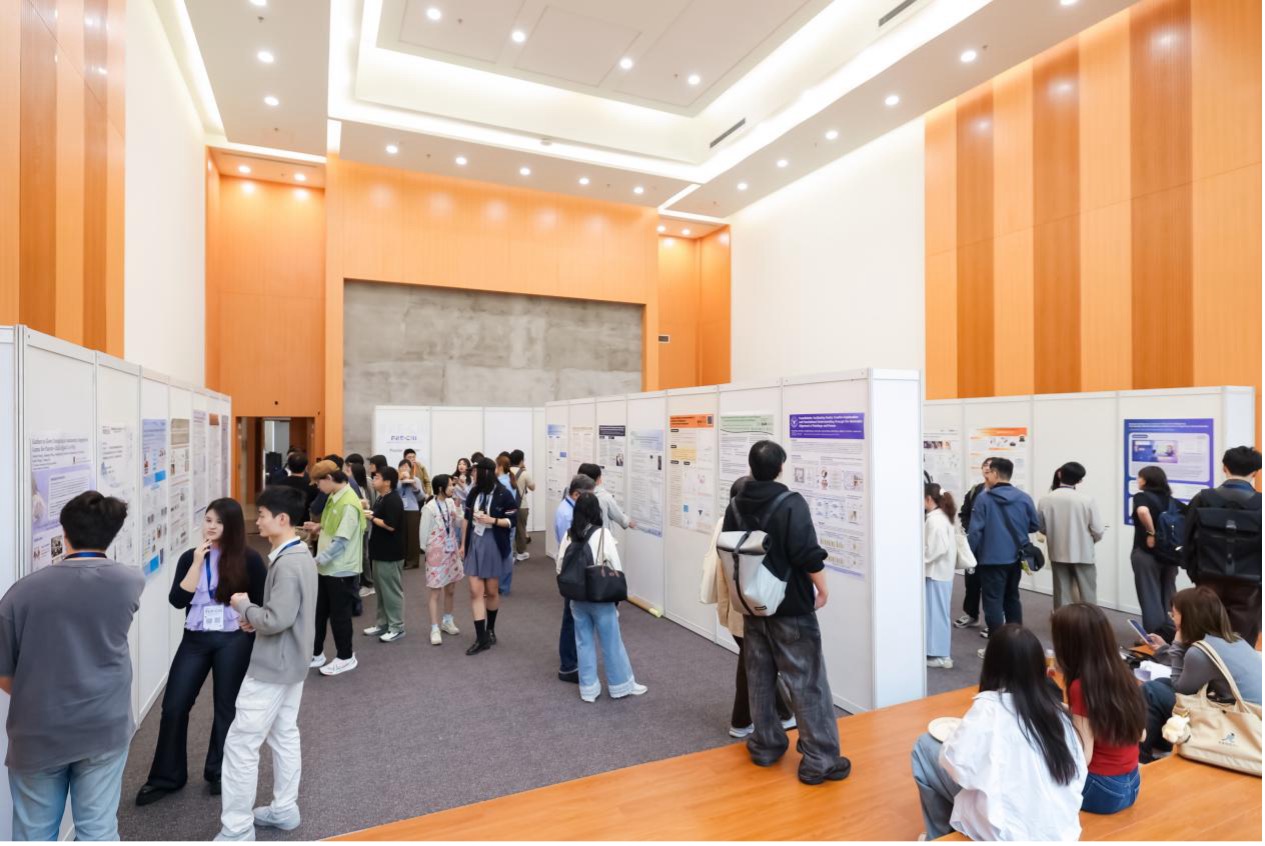
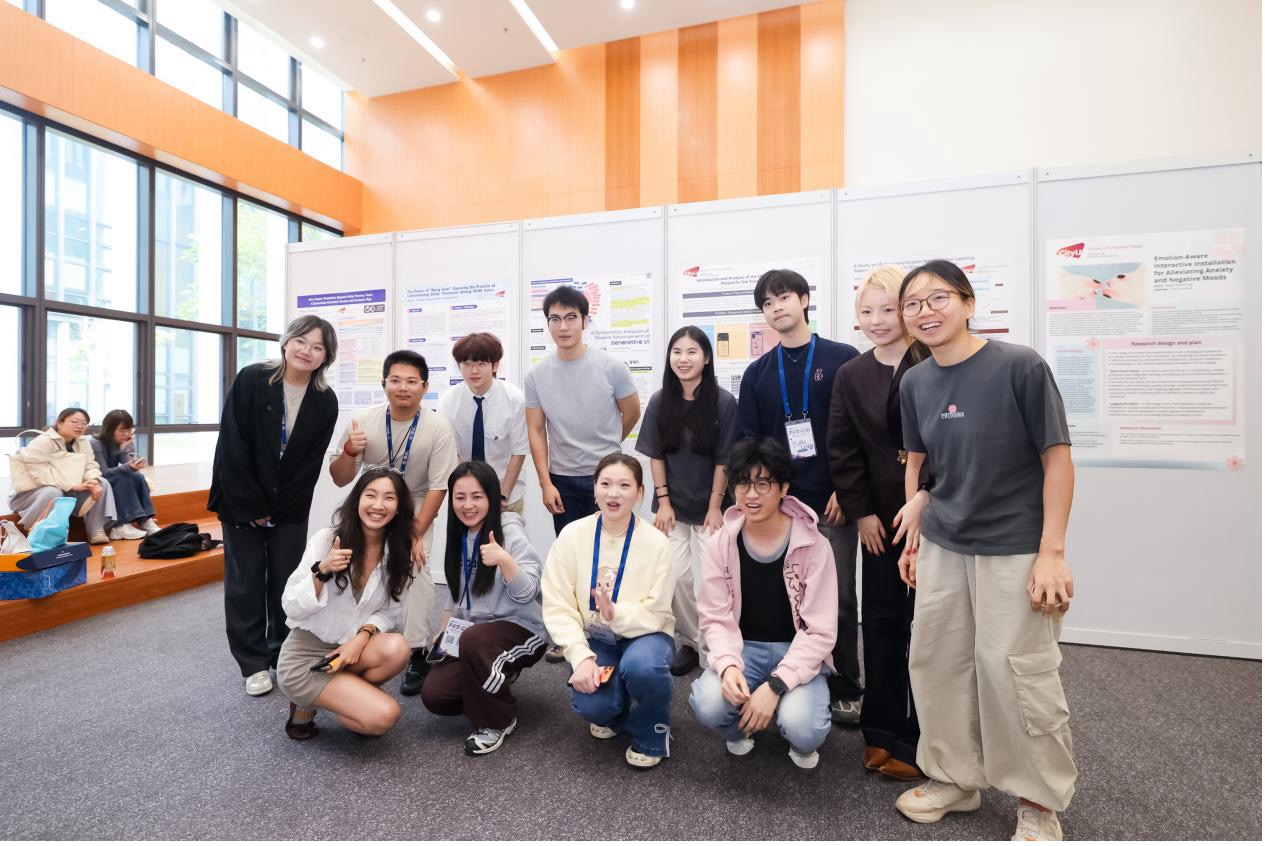
Poster presentation session
Conference Highlights: March 22
On March 22, Assistant Professor Rui Luo from City University of Hong Kong and Assistant Professor Tao Luo from the SUSTech School of Design led two workshops entitled “Statistical Analysis of Qualitative and Quantitative Data with R” and “IxDL 'Interaction Dictionary' Card Game Workshop,” respectively.
Meanwhile, two panel discussions were held at the main venue, Da Cheng Auditorium.
The first panel, entitled “Redefining Human-Computer Interaction in the AI Era,” brought together scholars and experts from leading institutions including Tsinghua University, The Hong Kong University of Science and Technology, the Chinese Academy of Sciences, and the University of Macau. The panel engaged in an in-depth discussion on key topics including rethinking the fundamental logic of HCI in the age of AI, emerging paradigms for human-AI collaborative decision-making, the expansion of HCI research boundaries enabled by AI, and the importance of maintaining humanistic and ethical considerations amid rapid technological development.
The second panel, “From and Beyond the GBA: HCI-Driven Industrial Innovation and Global Impact,” brought together experts and scholars from institutions including City University of Hong Kong, the University of Macau, and Hunan University. The discussion explored pathways for translating HCI research into industrial applications, opportunities for HCI technologies to support the transformation of the real economy, and strategies for building a globally influential HCI ecosystem in the Greater Bay Area. The panel offered new perspectives on how HCI research can contribute to industrial innovation across the GBA.
At noon on March 22, the conference concluded with a closing and awards ceremony at Da Cheng Auditorium. A total of eight paper and poster presenters received the Best Paper Presentation Award and Best Poster Presentation Award. Three audience members were also selected to receive Lucky Audience Awards, adding a light-hearted and engaging element to the closing ceremony.
On the afternoon of March 22, a group of participants joined industry visits organized by the conference, visiting Unitree Robotics and the Shenzhen InnoX Academy. Through on-site visits to cutting-edge technology companies and innovation incubation platforms, as well as discussions with their representatives, participants gained further insights into emerging trends in the technology industry and the latest technological developments.
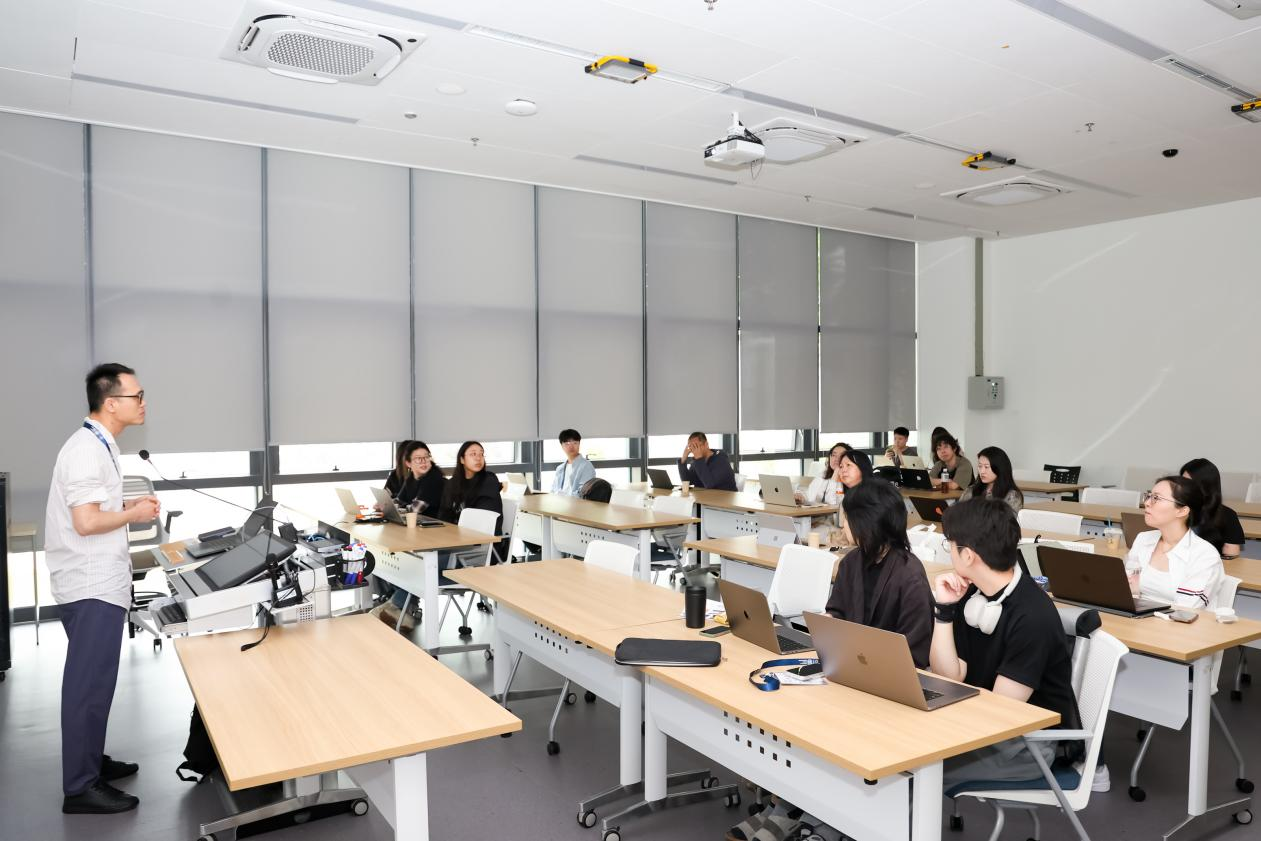
Assistant Professor Rui Luo, City University of Hong Kong
Workshop: “Statistical Analysis of Qualitative and Quantitative Data with R”
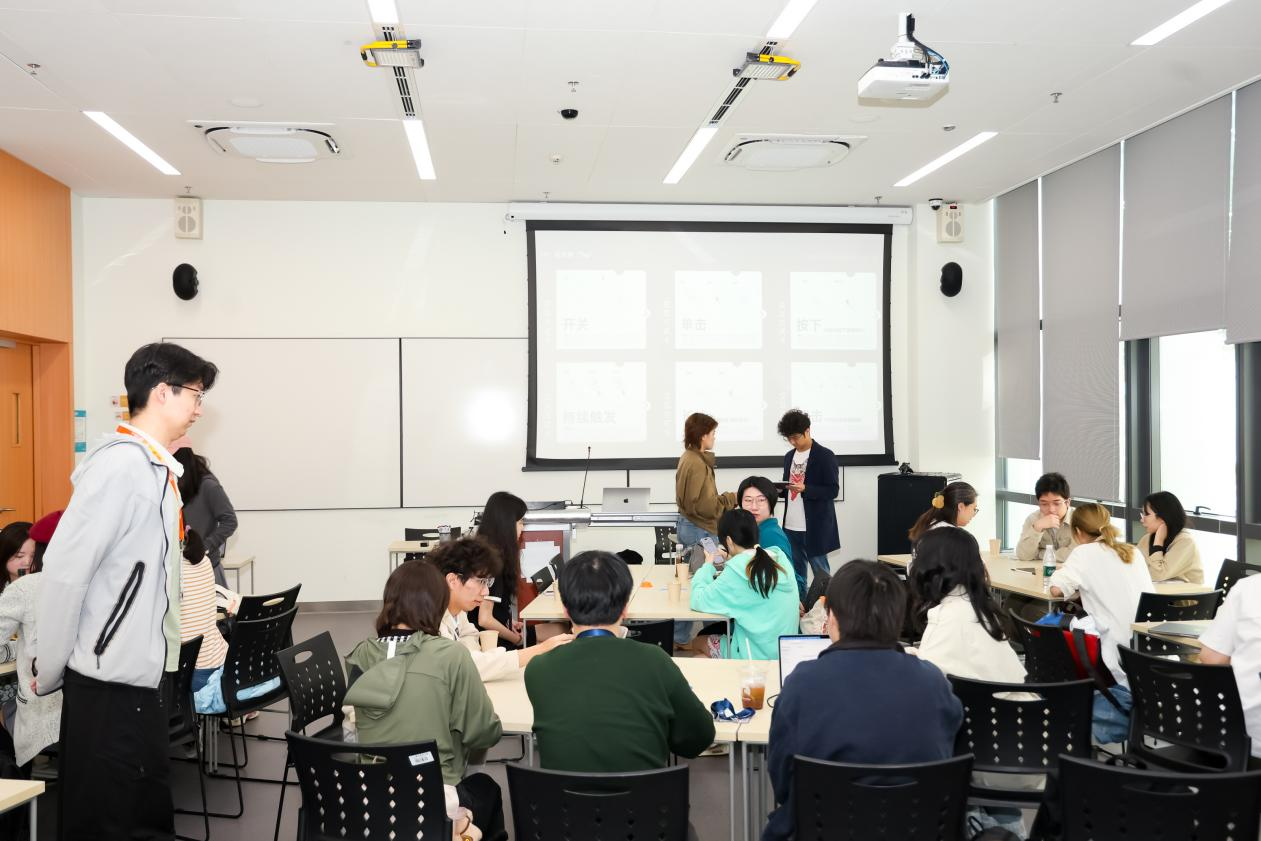
Assistant Professor Tao Luo, SUSTech School of Design
Workshop: IxDL 'Interaction Dictionary' Card Game Workshop

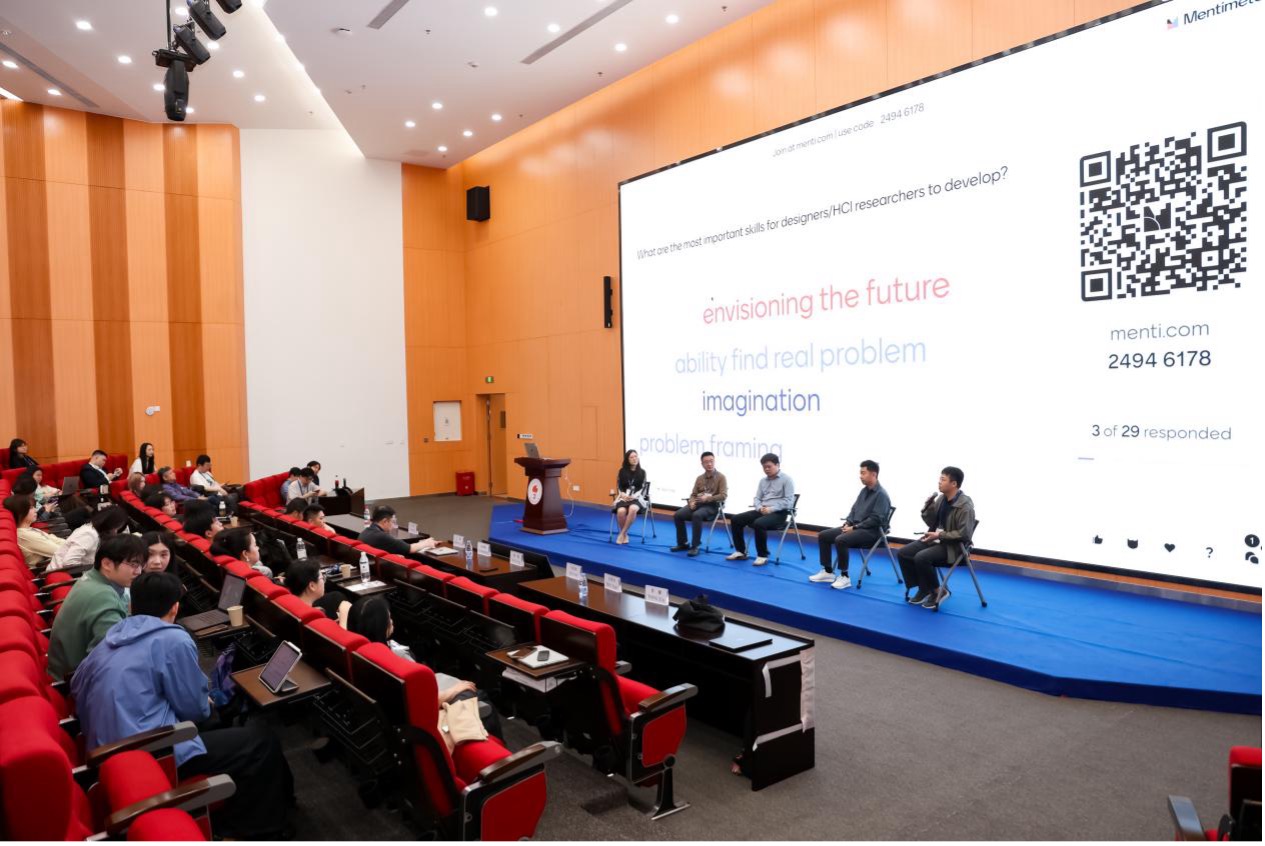
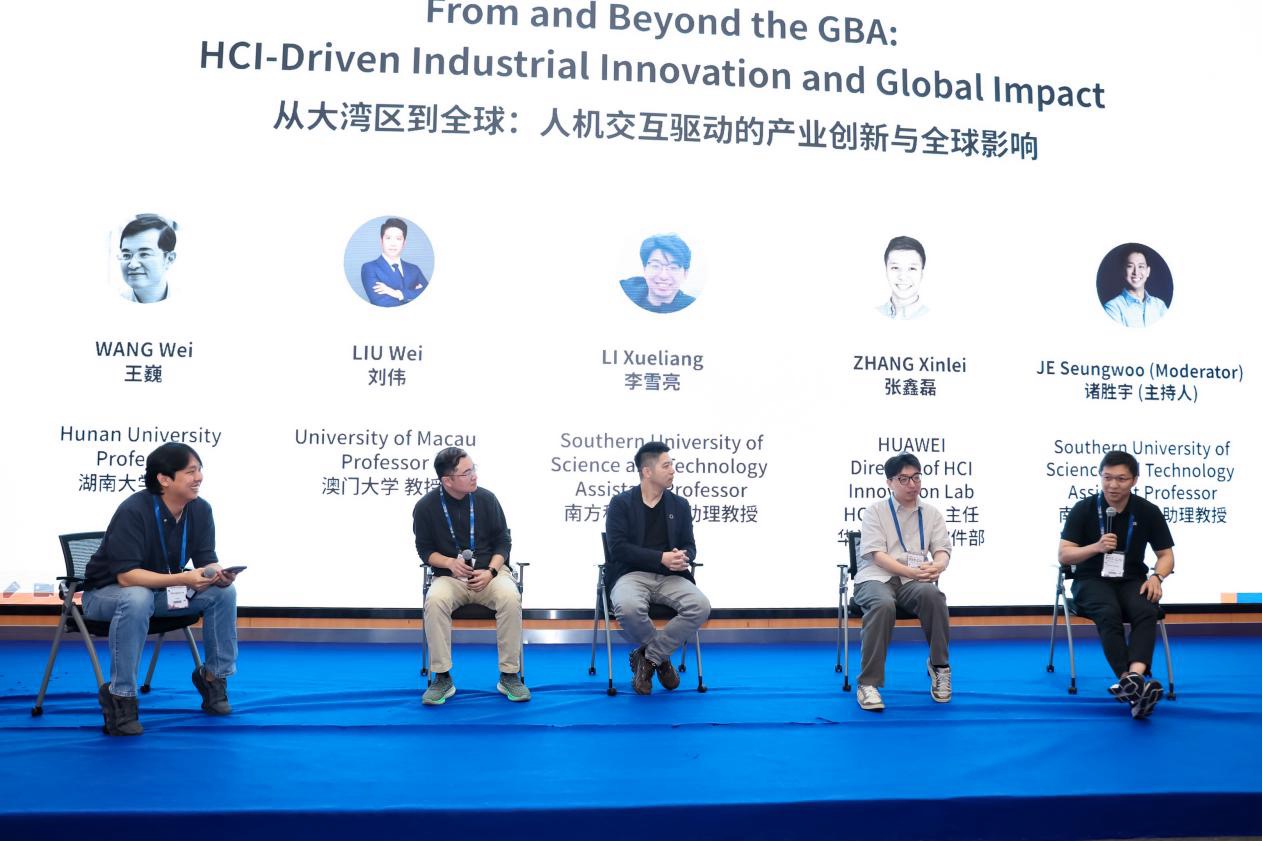
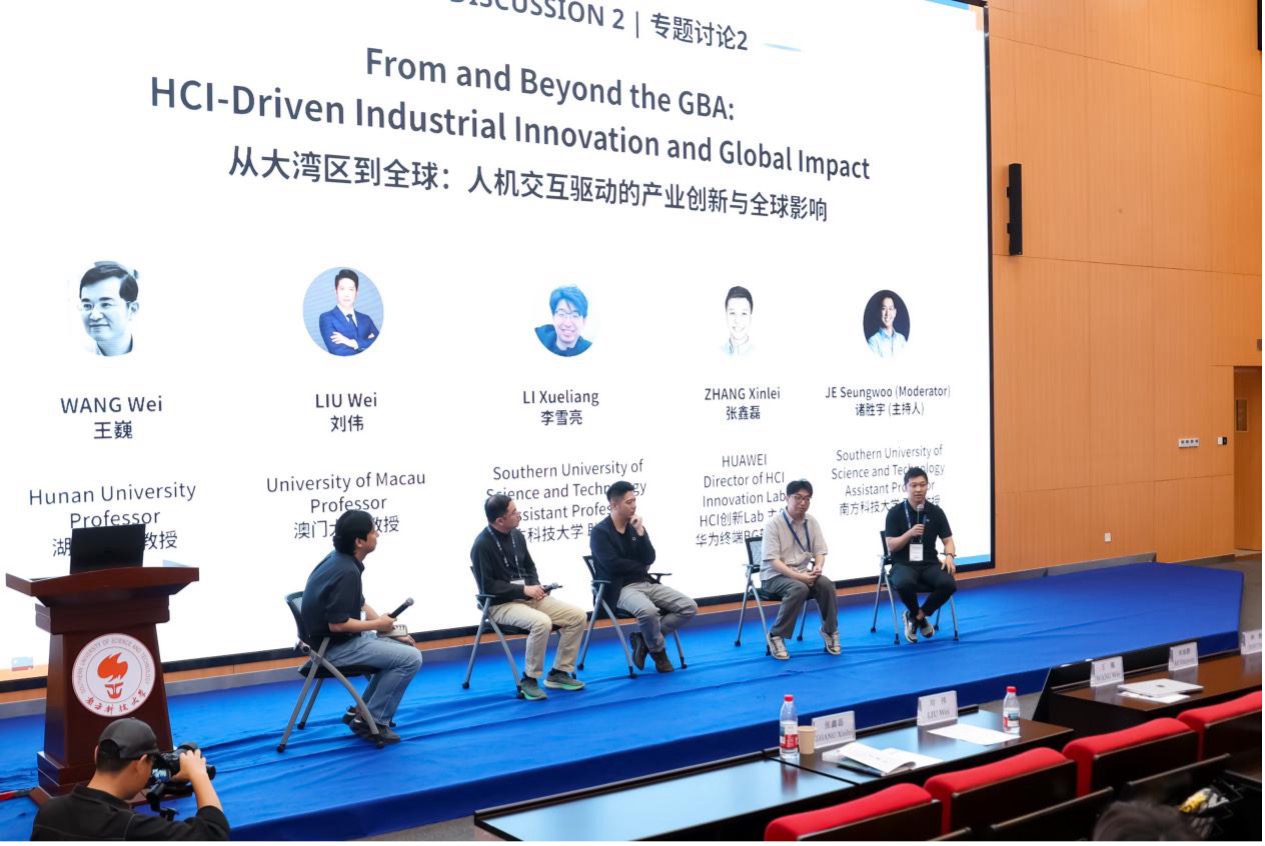
Panel discussion
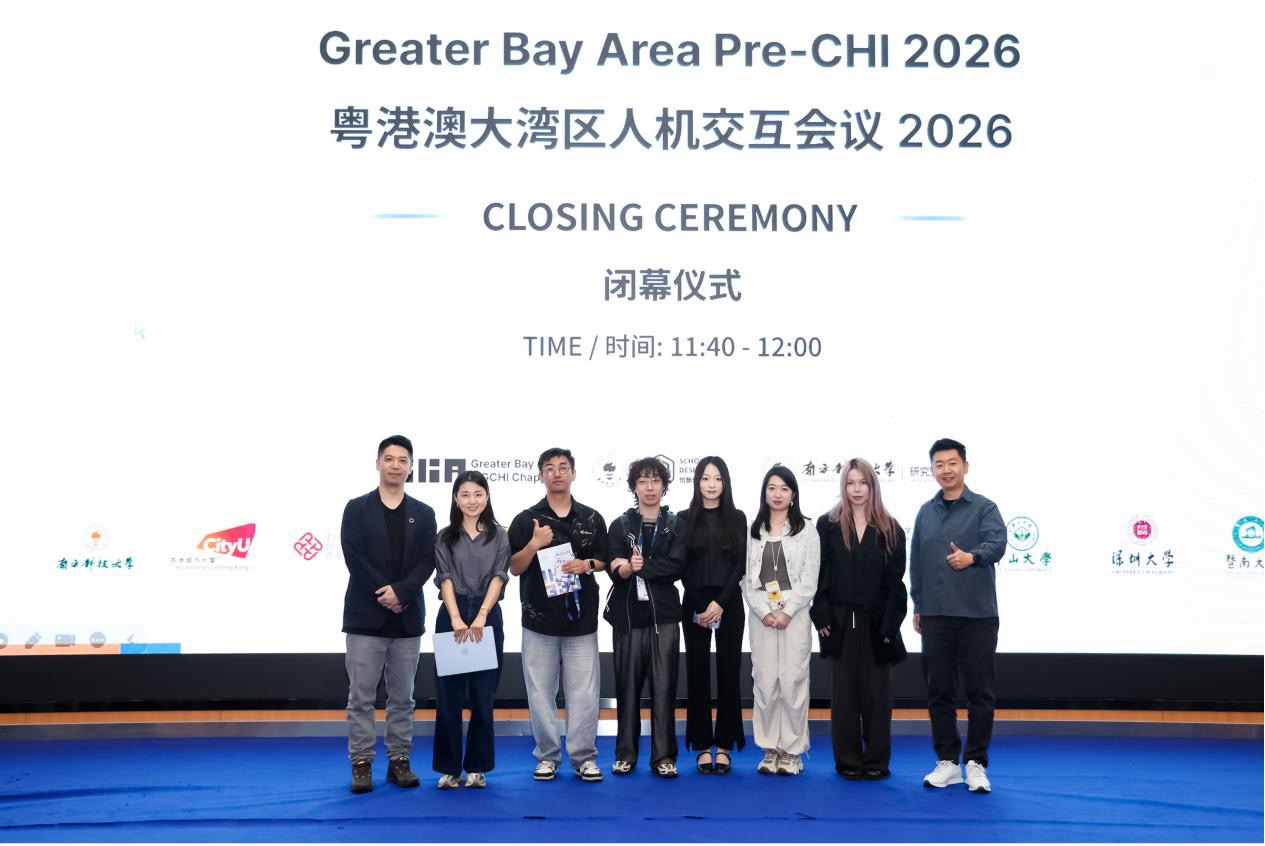
Closing ceremony
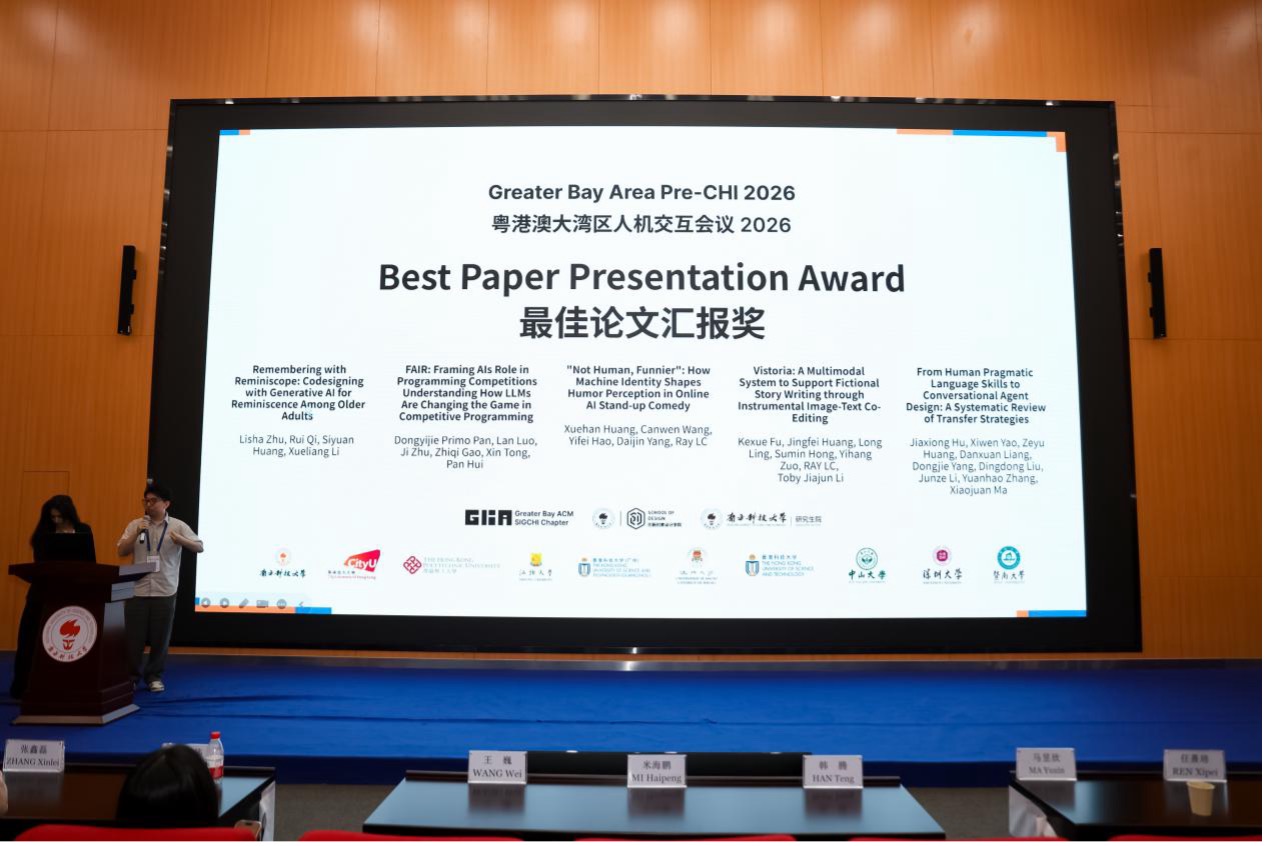
Awards Ceremony — Best Paper Presentation Award
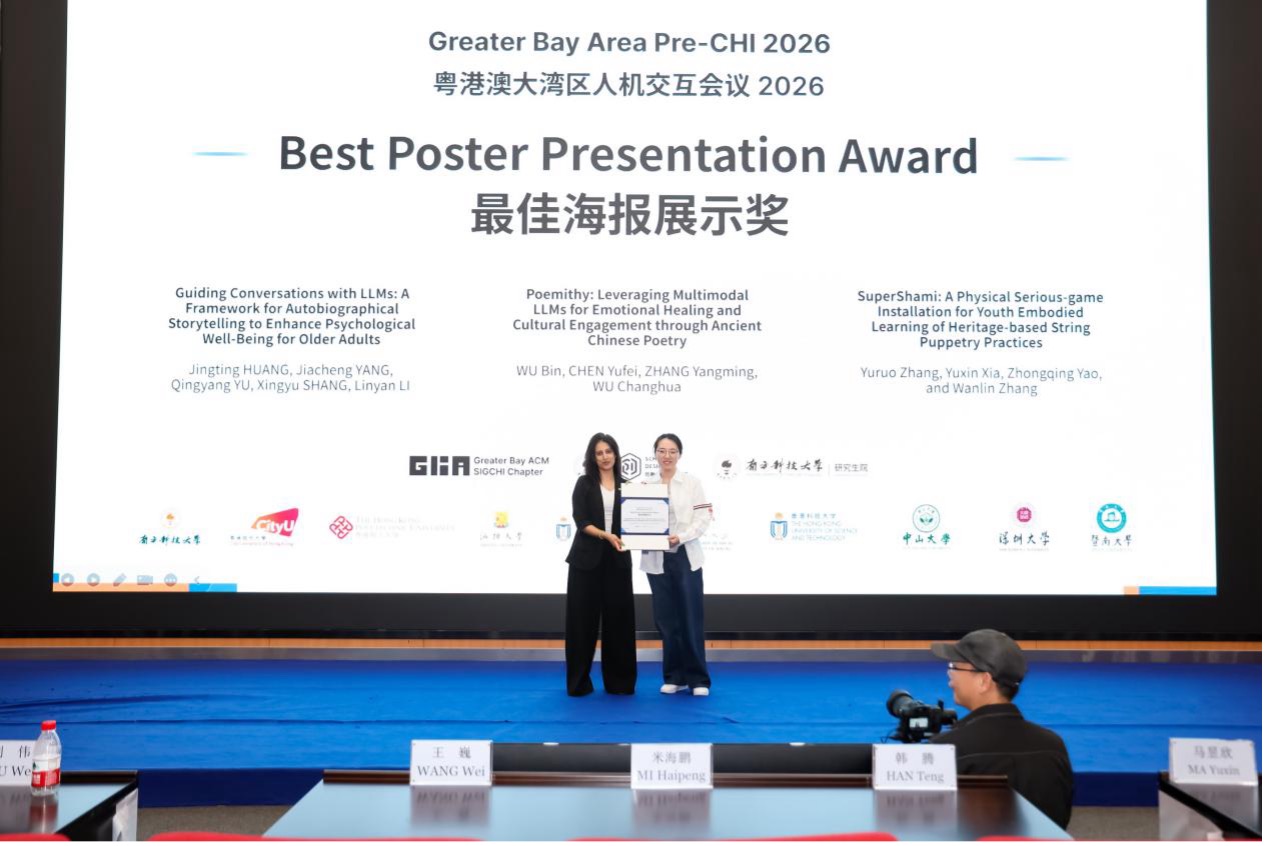
Awards Ceremony — Best Poster Presentation Award
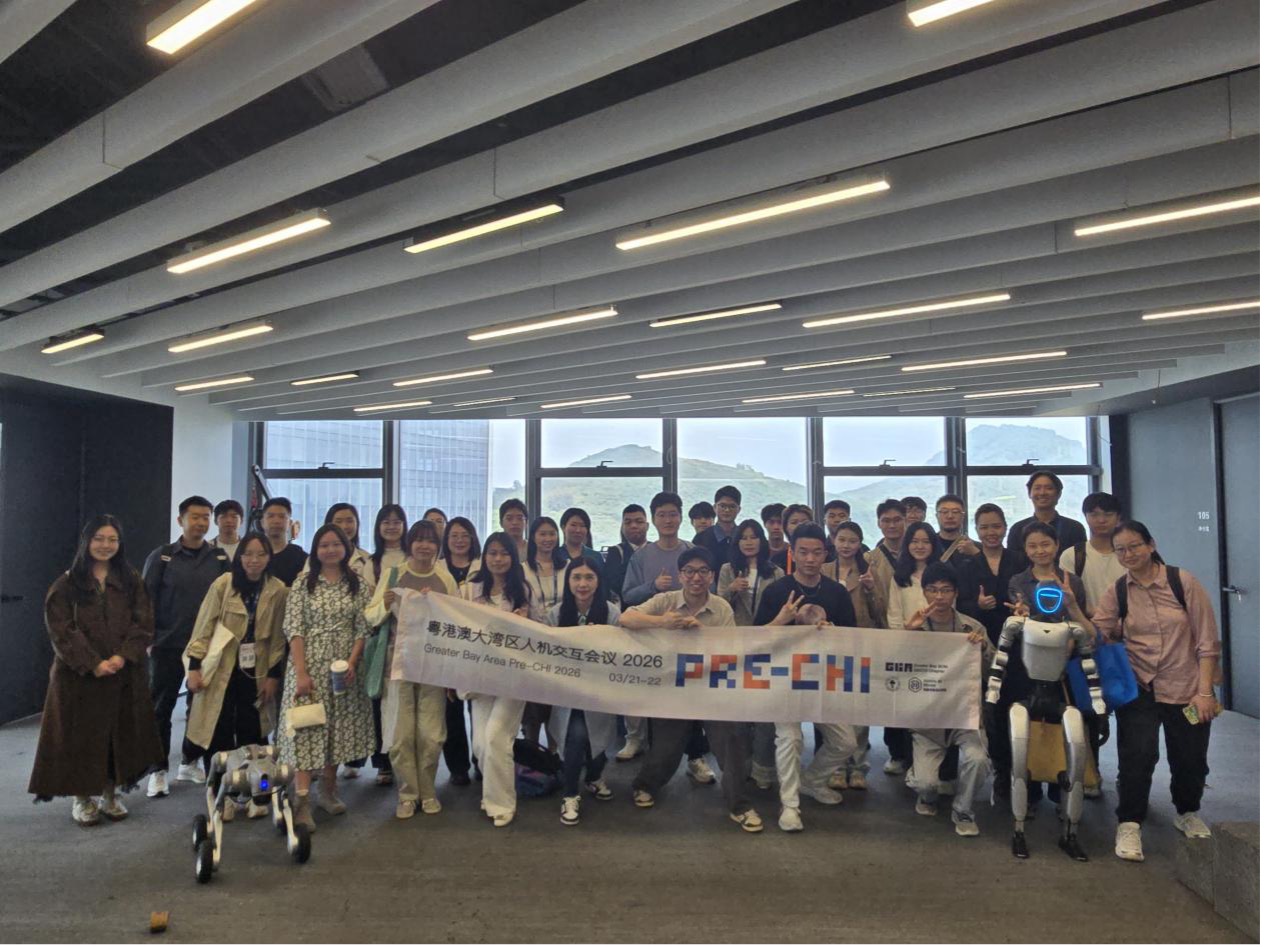
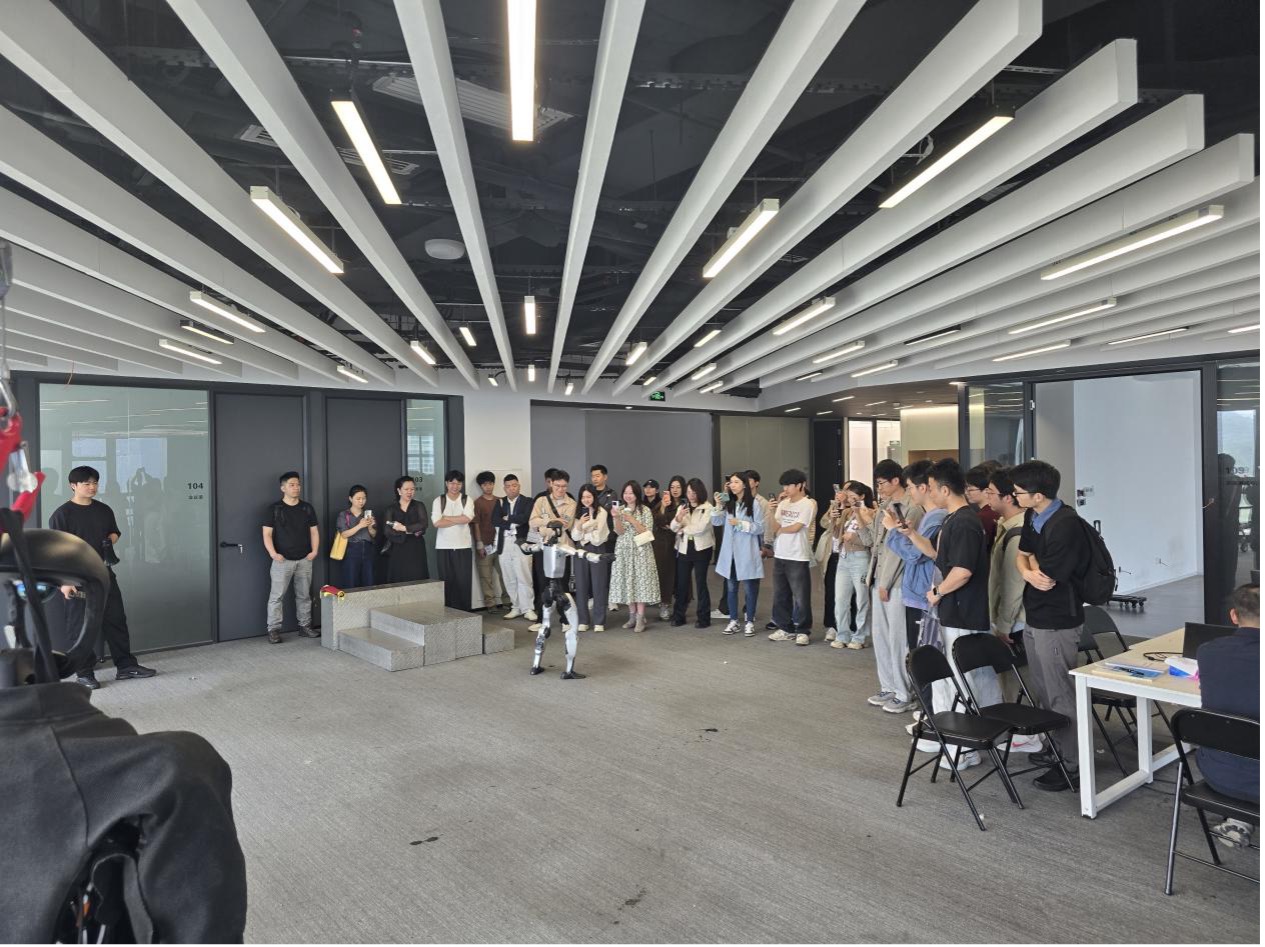
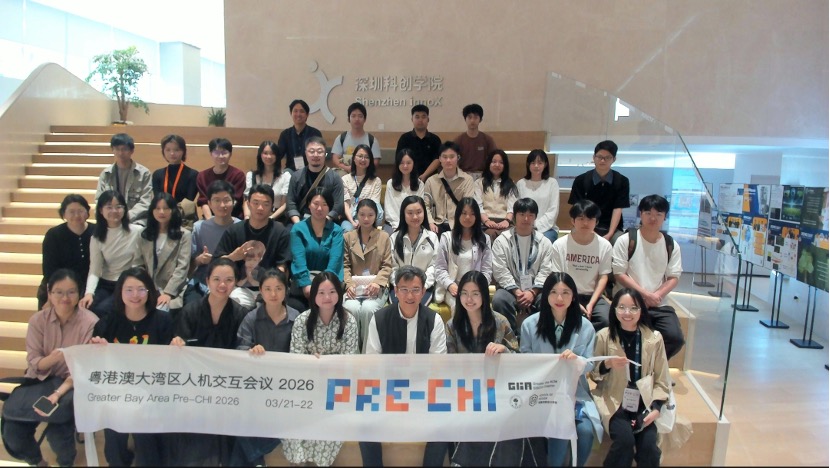
Group photo during the industry visit
Greater Bay Area Pre-CHI 2026 was hosted by the School of Design, Southern University of Science and Technology. The conference received strong support from universities including Tsinghua University, The Hong Kong University of Science and Technology, City University of Hong Kong, the University of Macau, and Hunan University, as well as industry and innovation organizations including Huawei, Unitree Robotics, and Shenzhen InnoX Academy. It also received professional guidance and support from the Greater Bay ACM SIGCHI Chapter and the Graduate School of SUSTech.
By integrating cutting-edge research, design innovation, and industry practice—and drawing on the Greater Bay Area’s well-developed innovation ecosystem and Shenzhen’s distinctive strengths in technology and manufacturing—the conference showcased emerging research trends and the diverse application potential of Human-Computer Interaction.
As an open, inclusive, and globally connected platform for academic exchange and collaboration among academia, industry, and research communities, Greater Bay Area Pre-CHI 2026 fostered productive cross-regional academic dialogue and deeper collaboration. It contributed to the continued development of innovative, human-centered perspectives on HCI in the AI era, while providing sustained academic momentum for technological innovation with global impact.
.png)